
Calvin Fuller's Top 4 Skaters For Early Season Columbia Basin Steelhead
Words by Calvin Fuller
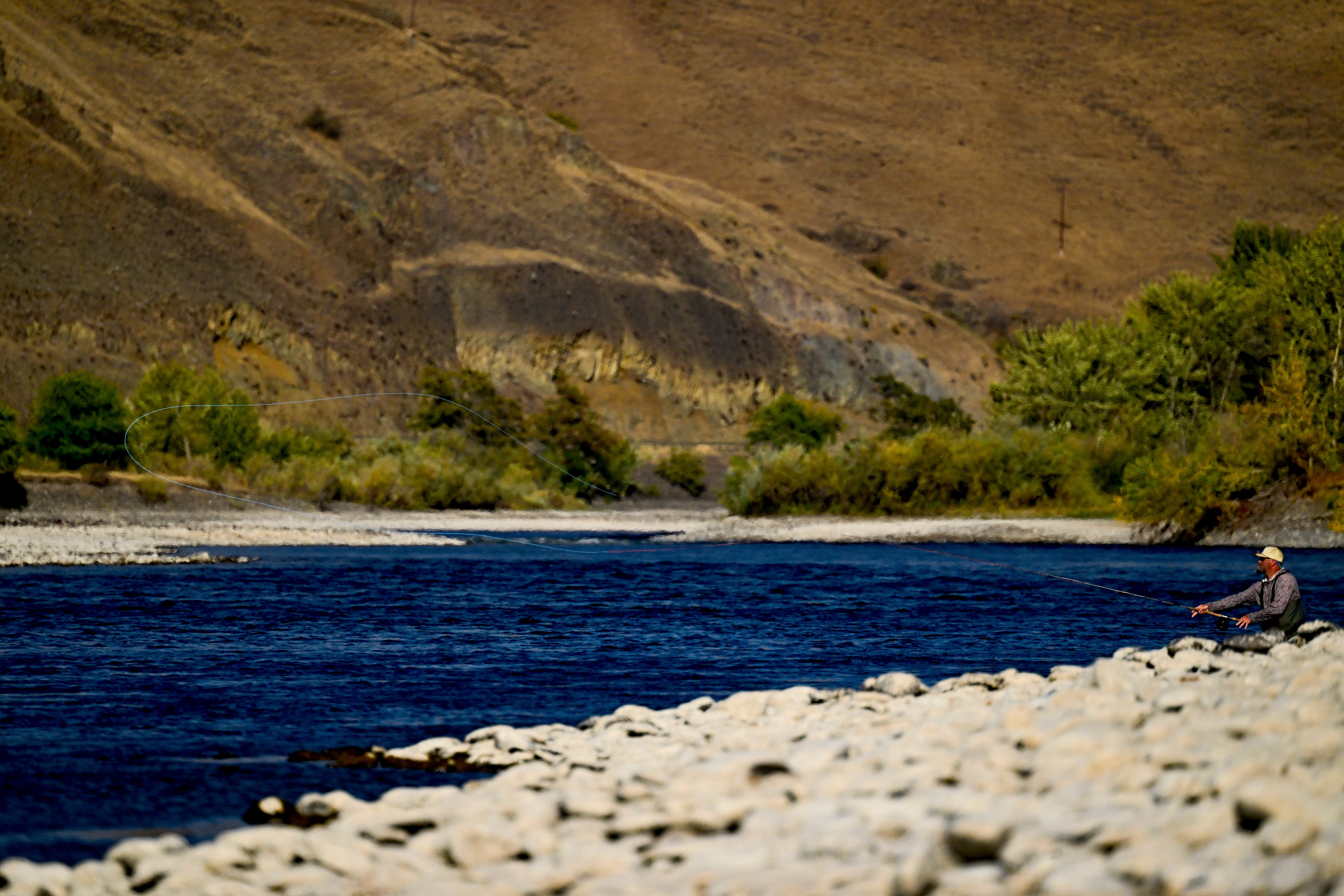
When a steelhead chases and eats a dry fly, it most often does so when a pattern is presented in a swung fashion, under tension, and skating across the surface.
Skating for steelhead allows anglers to watch a large fish appear behind a fly, which sometimes results in an explosive take, a small sip, or simply a swirl. It might be the biggest rush in freshwater fly fishing and an angler who either sees a steelhead rise to a fly and refuse it or, better yet, chase the fly and destroy it, is often left with shaking knees.
When choosing a skating fly or a waked fly for steelhead, anglers need patterns that cover a variety of water speeds and conditions. Choosing one may sound intimidating, but I can make it easy: here are four of my most effective skating/waking flies for the Pacific Northwest’s inland summer steelhead rivers, including the Clearwater, Snake and Grand Ronde.
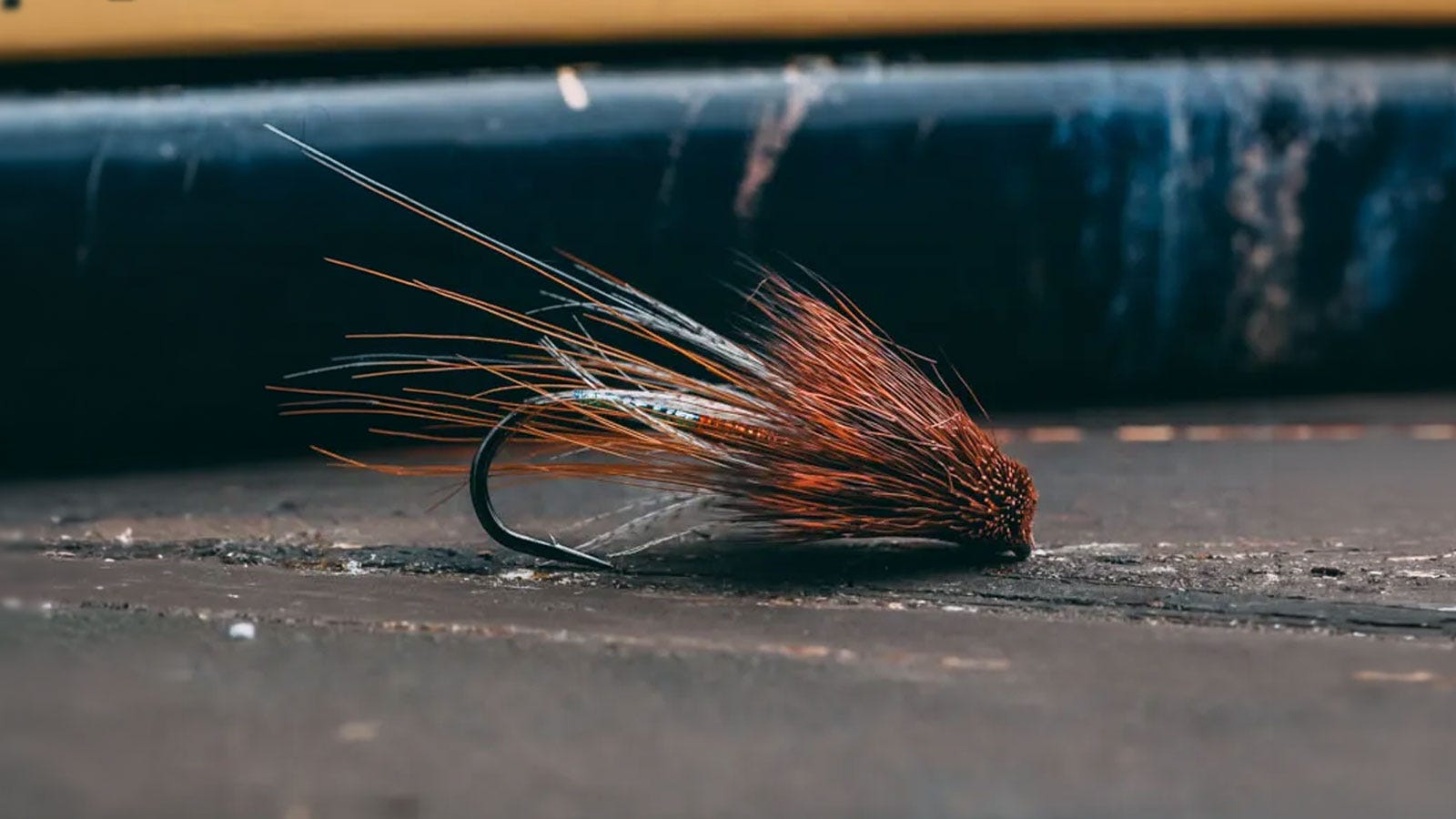
Bruce Berry's Euphoric Muddler
Bruce Berry, a world-renowned angler and steelhead guide, developed this fly. He ties it in the muddler fashion, and the pattern features a very low profile that sits low in the surface film. If a steelhead is hesitant to take a fly that rests fully on the surface this pattern is a good choice. Since the hookpoint rides lower in the surface film, it allows steelhead to connect at a higher rate than traditional high-riding skaters. All the fish needs to do is sip this fly and that usually ends up in a tight connection. This fly features spun deer hair and holds a slender rear profile. I prefer this fly in the black or purple versions, and both flies have proven to be a killer pattern for steelhead. This fly is always in my box and gets tied on regularly. When using this fly, I like to focus on medium-to slower moving smooth water as well as tailouts. This fly will work in faster riffle water too, but you most likely won’t be able to see the take.
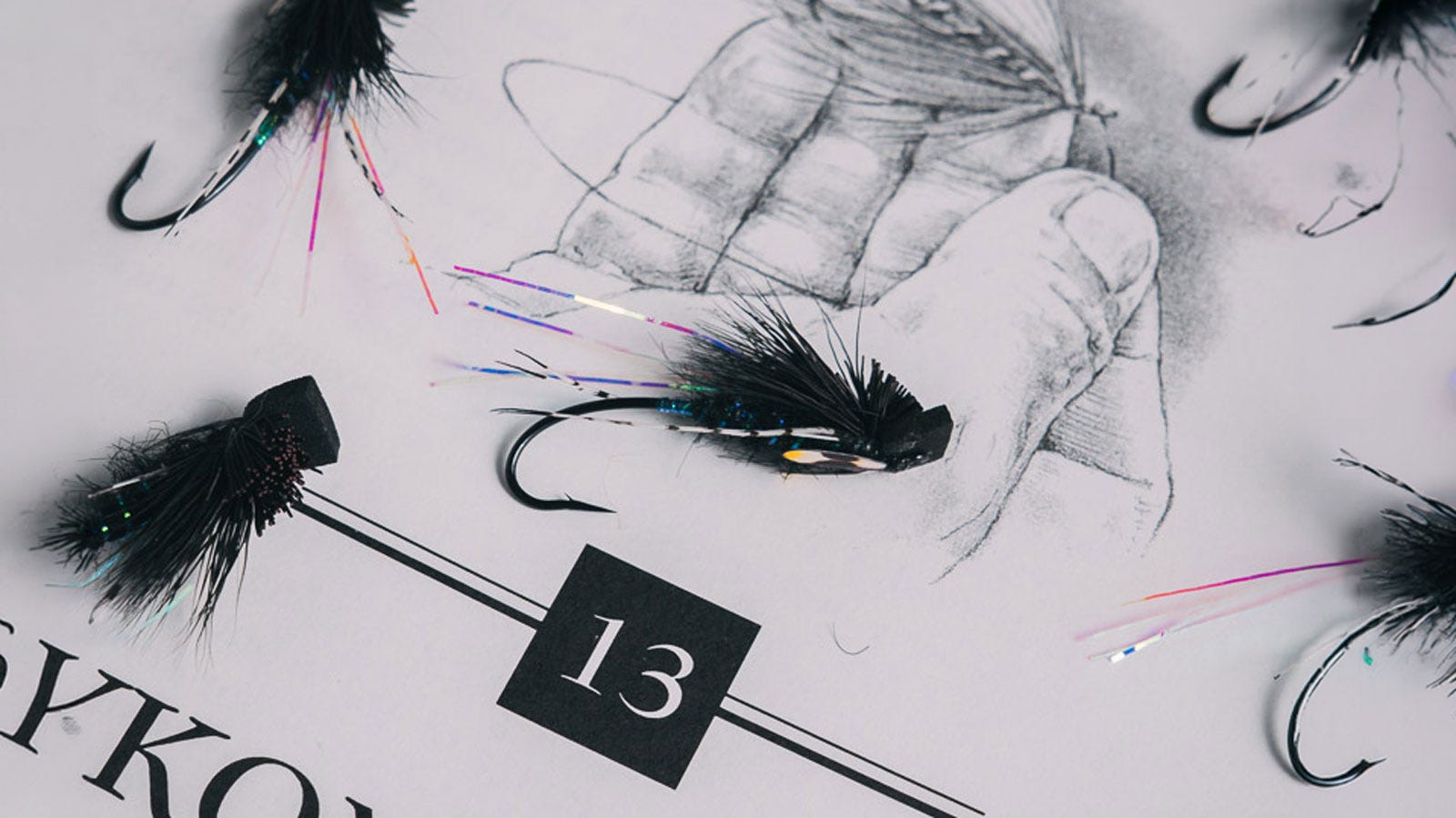
Brett Jensen's Klamath Skater
Brett Jensen ties this fly, which is a beautiful, small-profile skater. The Klamath has downward facing jungle cock eyes, sparse flash, body ribbing, and a deer-hair wing. A small piece of foam in front of the deer-hair wing allows this fly to ride high and proud, rather than dipping into the surface film. That allows the Klamath to be fished in a slight chop, although it’s also great for smoother water and greasy tailouts.
Get Brett Jensen's Klamath Skater Here

Josh Mill's Road Runner
Developed by our good friend Josh Mills, the Road Runner can be skittered and popped across the surface, which creates “roadrunner”-like chaos that can drive steelhead nuts. This fly is purposely tied on a drop shot hook to keep the hook riding low in the water, resulting in more hookups when a fish comes to investigate. The foam overwing allows this fly to be fished in fast water as well as smooth, glassy glides.
Get Josh Mill's Road Runner Here
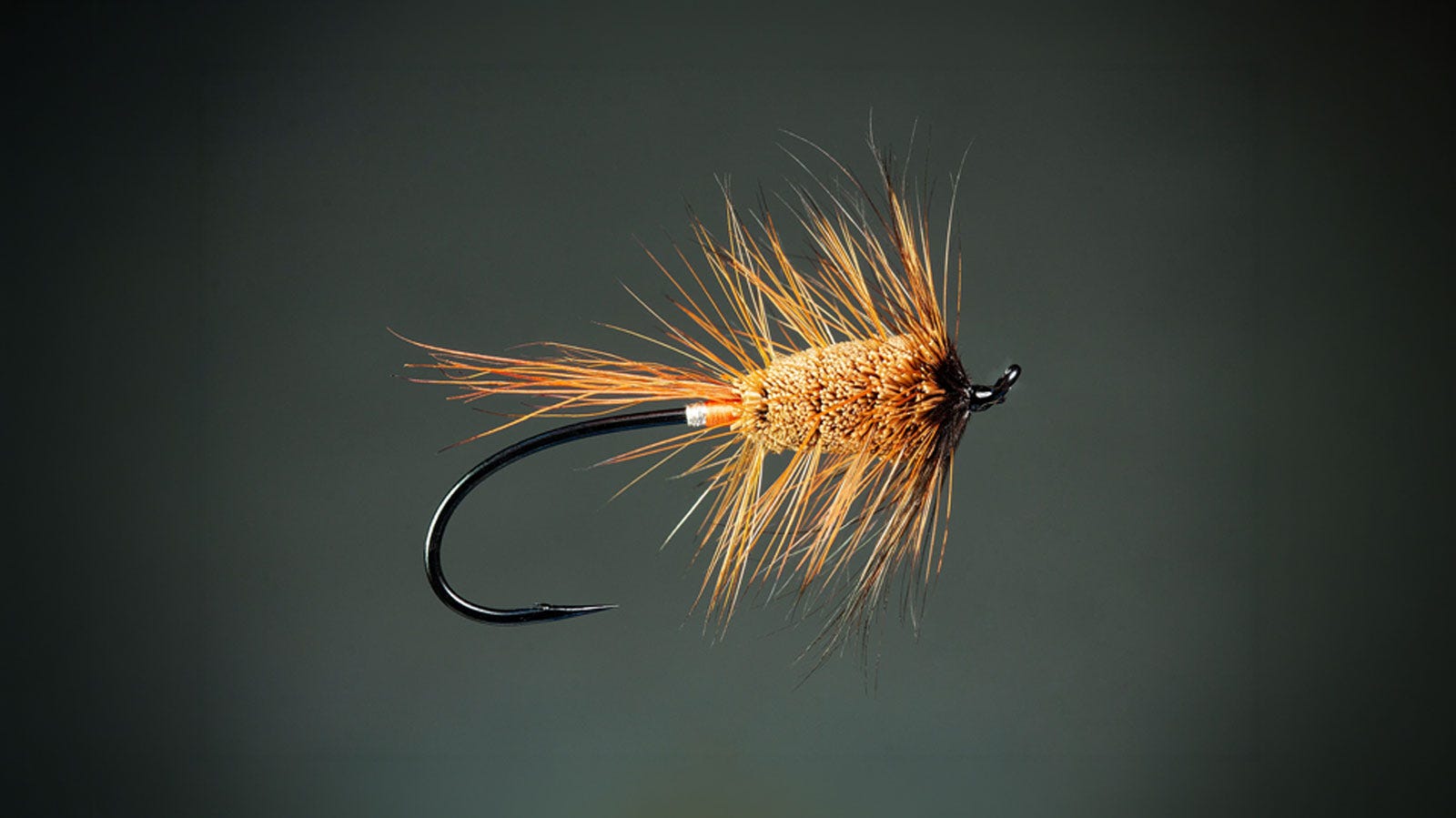
The Buck Bug
The Buck Bug is one of the oldest steelhead skaters around. Basically, it’s a simple slim design that looks like a Bomber, without the front wing. It also uses natural materials for the tail. Unlike the Bomber, the Buck Bug uses just a few strands of Krystal Flash for the tail, spun deer hair for the body, and it’s all wrapped up with a single piece of short hackle. It can be tied in a variety of colors and sizes and sometimes the smaller the Buck Bug, the better. This fly can be skated on the surface or fished wet in the surface film. The Buck Bug is my go-to topwater pattern for steelhead and is not available from any major fly company. When fished in glassy water, the Buck Bug does produce a small wake. Adding floatant to the Buck Bug will keep the fly riding higher on the surface. This fly can also be fished in choppy or riffled water, but most likely will ride about 1-2 inches below the surface. Anglers can still see the take in glassy water, but in chop you really need to pay attention to see the take.
Get The Buck Bug Here