
Must Have: FIVE SUPER UNIQUE SALTWATER FLIES
Words by Drew Evans
House of Fly's Drew Evans picks his "most unique" saltwater fly patterns, flies that have worked for Evans on redfish in Texas and bonefish when he hosts House of Fly's Deadman's Bonefish Camp. Some of these are well known, others not so much. But you can't ignore the inventors of these flies: Drew Chicone; Dave Chouinard; Doug McKnight. Throw these and you'll have some expert fly-tying and fish-catching mojo in every cast.
Brita Fordice's Suppository
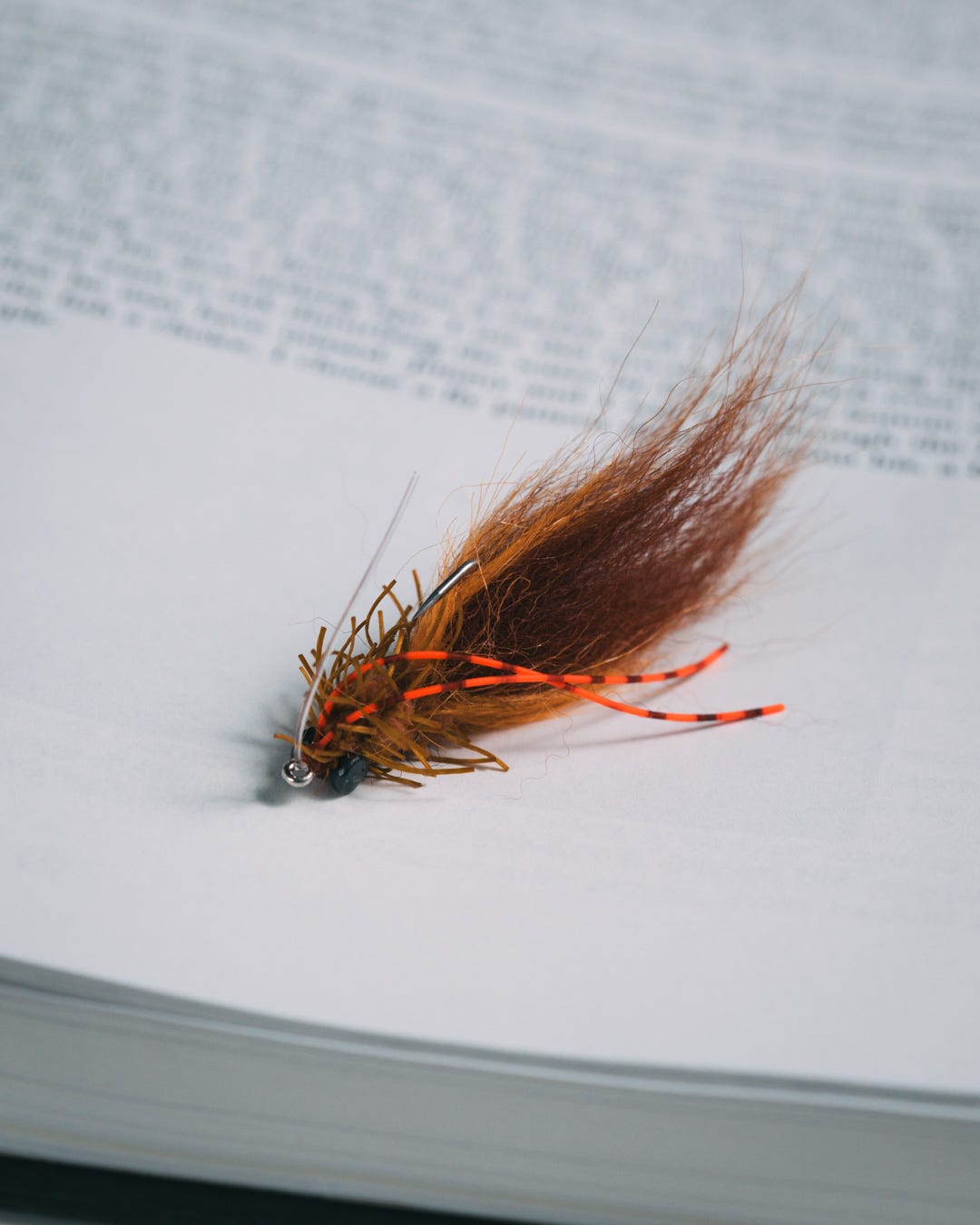
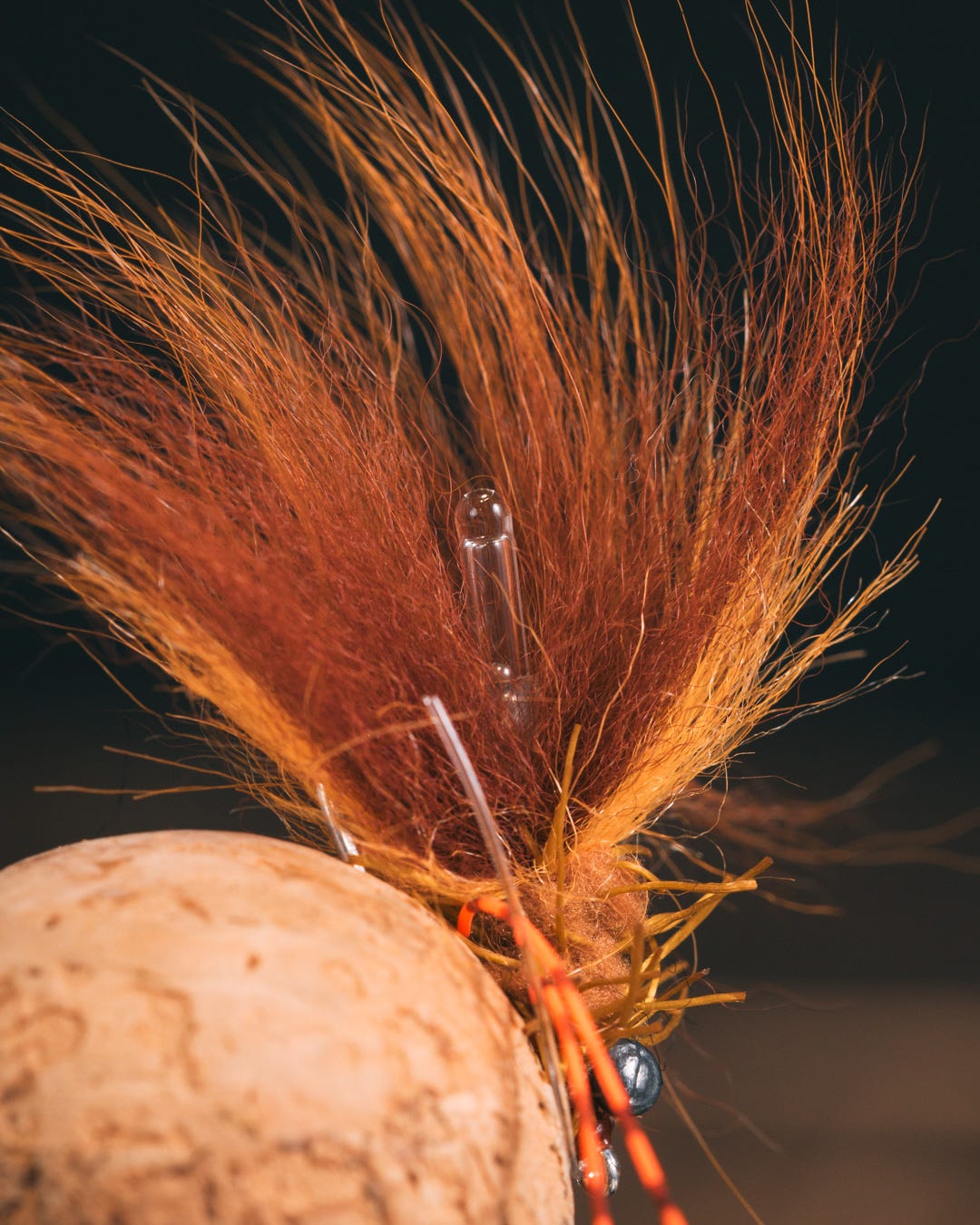
Sure to make you pucker; Brita Fordice's Suppository is a winner for Reds. The Suppository is one of those flies that proves redfish patterns do not need to look pretty to flat-out work. Designed with dirty water and aggressive fish in mind, this fly is built around sound, vibration, and movement. The standout feature is the removable rear rattle. The rattle is cheekily concealed inside surgical tubing, allowing anglers to adjust the fly depending on water clarity and fishing pressure. Leave the rattle in when visibility is low or fish are rooting around stained marsh water, or pull it out when conditions get clear and calm.
Beyond the noise, the fly pushes an impressive amount of water thanks to its dense rubber-leg chenille body and rubber legs that pulse and kick with even the slightest strip. The fox and craft fur blend surrounding the rear of the fly adds a lifelike breathing motion that keeps the pattern moving naturally when paused. It fishes especially well on slow crawls, short strips, and mud-bottom flats where reds key heavily on crabs and baitfish they can feel more than see.
Rio offers Brita Fordice's Suppository in multiple colorways along with weedless options, making it equally at home in spartina grass, oyster edges, muddy back lakes, and shallow marsh ponds.
Chouinard's Cyborg Shrimp
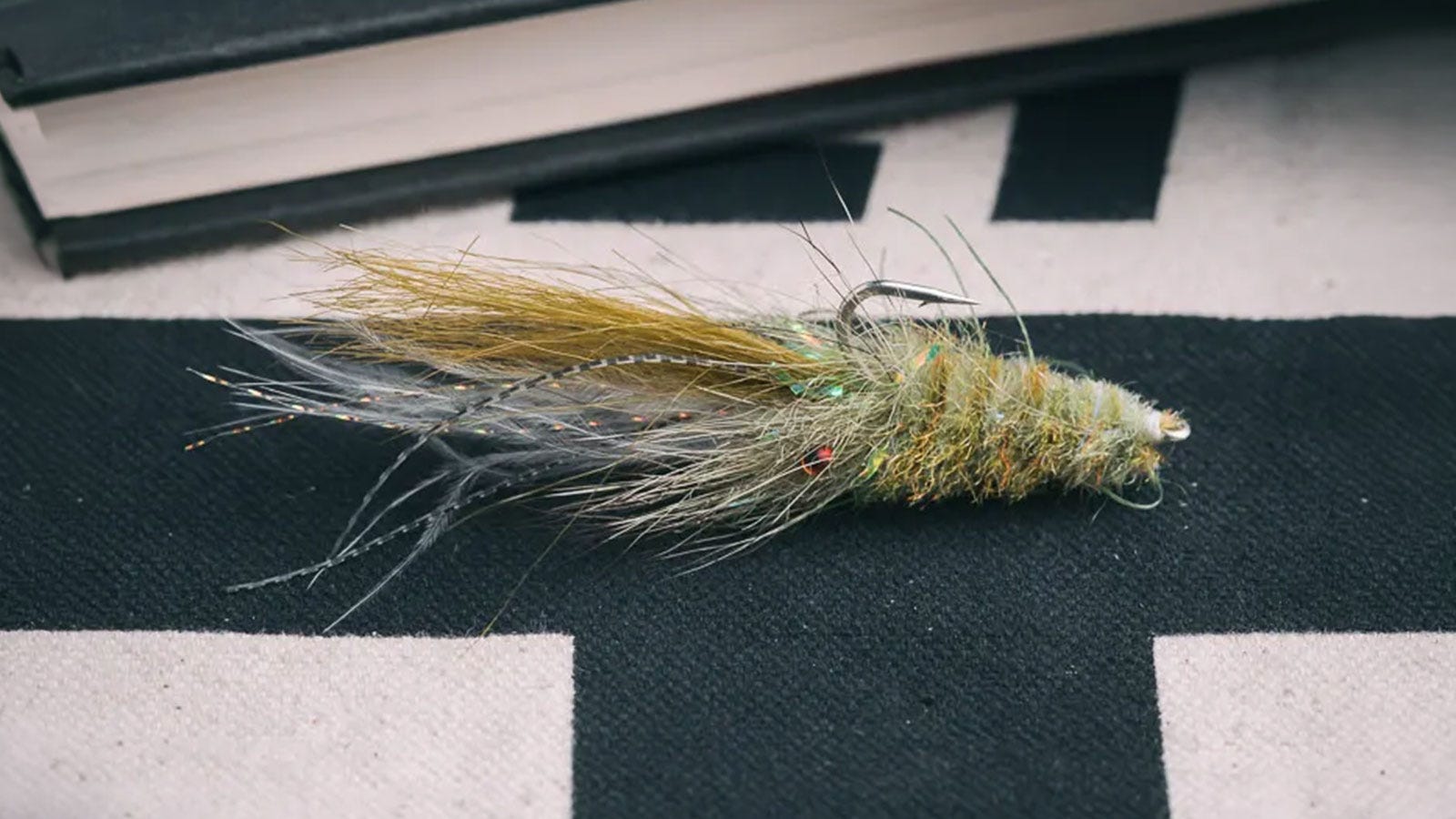
This pattern offers both a bulletproof build and design and is a good choice for redfish, bones and other species. Originally tied by Capt. Dave Chouinard, the Cyborg Shrimp features two Jig Bomb beads for weight rather than traditional bead chain or lead eyes. This makes the fly sink effortlessly and with proportionate weight balance. The other added benefit of using the Jig Bombs if you're tying up a batch of these is that it’s much quicker than tying in eyes and it’s easy to center the beads. The effortless sink is aided also by the brushes used in this bug. The Cyborg has three different brushes from EP; the EP Foxy Brush, the EP Wooly Critter Brush, and the EP Spawning Shrimp brush. Each of these brushes, other than the Foxy Brush, are composed of synthetic materials. This means little to no water absorption. This makes for a consistent and predictable sink rate with easy casting. Not to mention the fact that these brushes add extreme durability to the fly.
Buy Cyborg Shrimp HERE
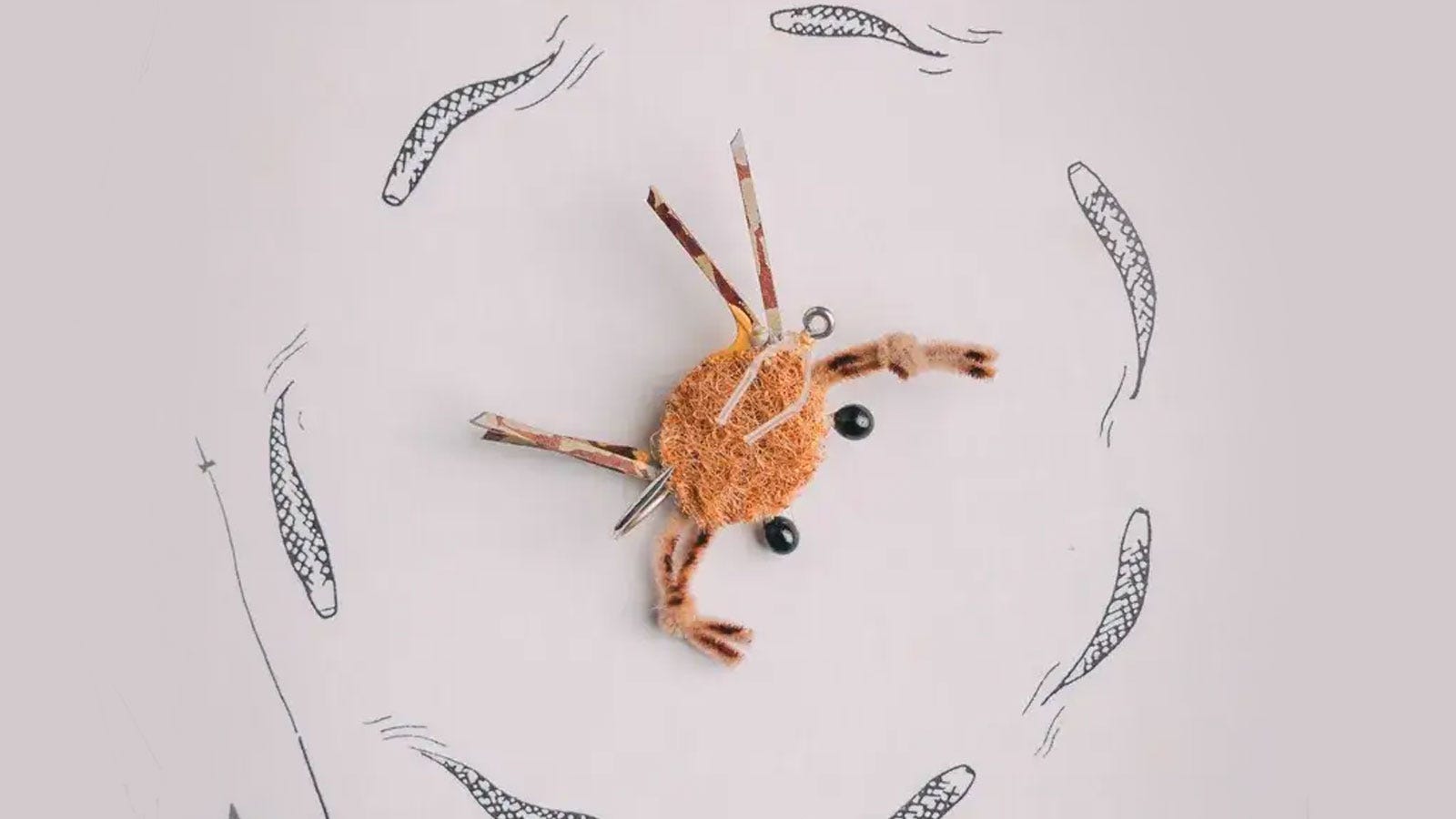
Drew Chicone's Contraband Crab
The Contraband Crab from Drew Chicone is one of those patterns that perfectly captures the creativity driving modern flats fly design. Built as a mashup of legendary patterns like the Bauer Crab, Scotch-Brite Crab, and McFly Crab, Chicone designed it to keep the best traits of each while eliminating their weaknesses. The result is a highly realistic crab with a mottled profile, natural movement, and an incredibly effective sink rate for Permit, Bonefish, Redfish, and even Sheepshead.
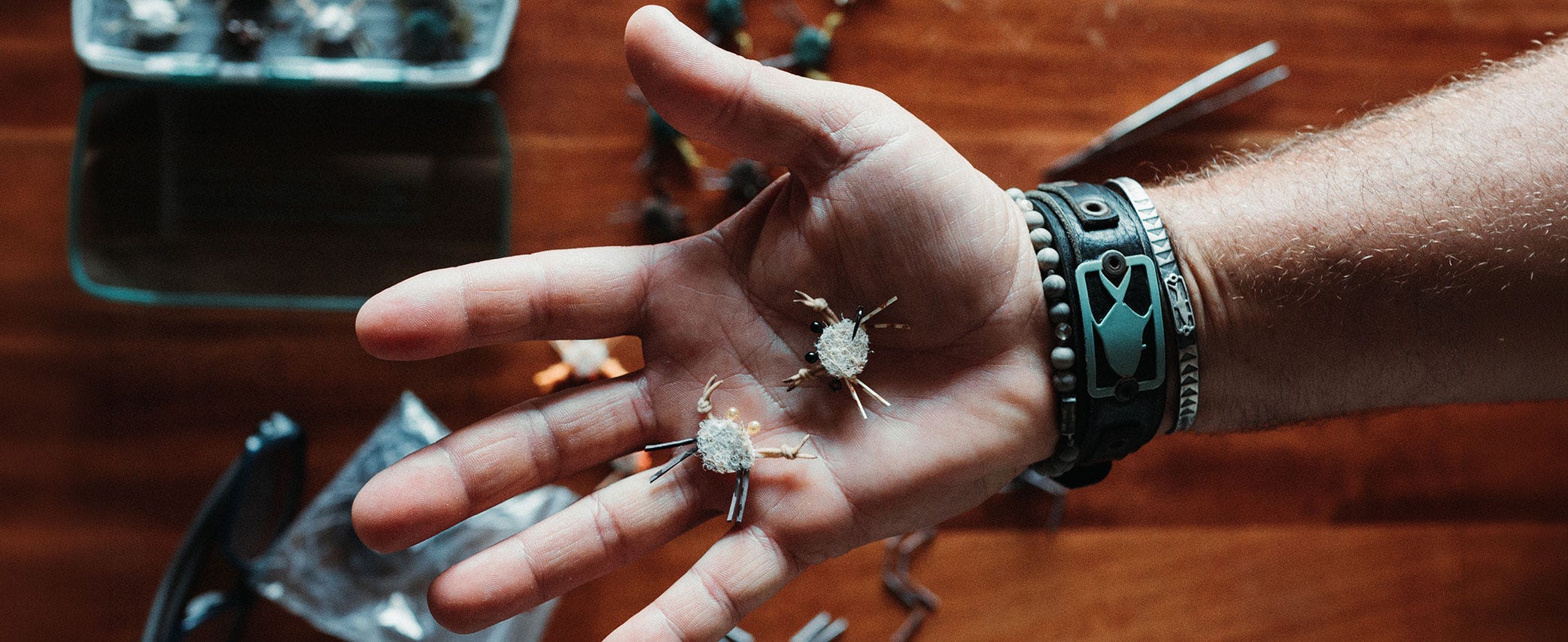
One of the coolest parts about this fly for me was getting to watch Chicone tie them in person during one of our hosted House of Fly Fish Camps in San Pedro. The process was like an assembly line. Bodies stamped from Scotch Brite scour pads, layers glued together with absolute precision, then finished with off-the-wall materials like puff-style t-shirt paint and markers to create lifelike shell texture and color. Watching him turn cleaning aisle materials into deadly permit flies was a reminder that the best fly designers think way outside the walls of a fly shop.
Get Your Contraband, HERE
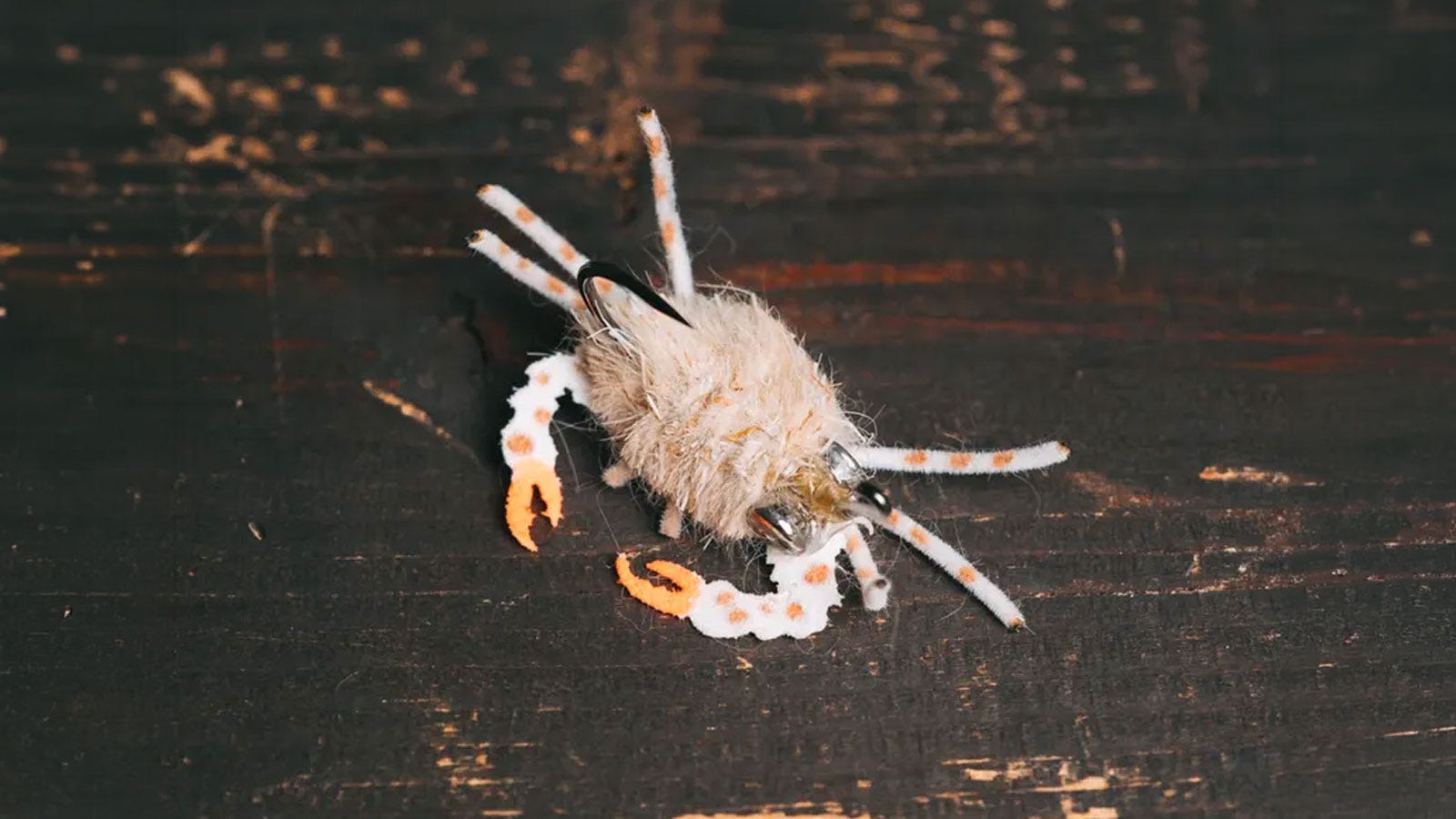
Doug McKnight's Danger Muffin
The Danger Muffin from Doug McKnight wasn’t created at a vise out of pure imagination, it came from years of watching Permit refuse crab flies that looked close, but not close enough. Inspired initially by classics like the Merkin and Bauer Flats Crab, McKnight spent years refining the pattern through observation of real reef crabs on the flats of Honduras and beyond.
What sets the Danger Muffin apart is its realism and movement. Instead of relying on hard epoxy shells or overly rigid bodies, the fly uses a unique blend of rabbit fur and deer hair that creates a mottled, lifelike appearance while still breathing naturally underwater. The weighted jig-style hook allows the fly to ride hook point up and sink with the same quick drop and sideways scoot of an actual fleeing crab.
Built for Permit, the Danger Muffin has also become a staple for Redfish and large Bonefish thanks to its natural presentation, weedless profile, and ability to match a wide variety of crab species across different flats environments.
Get Your Danger Muffin HERE
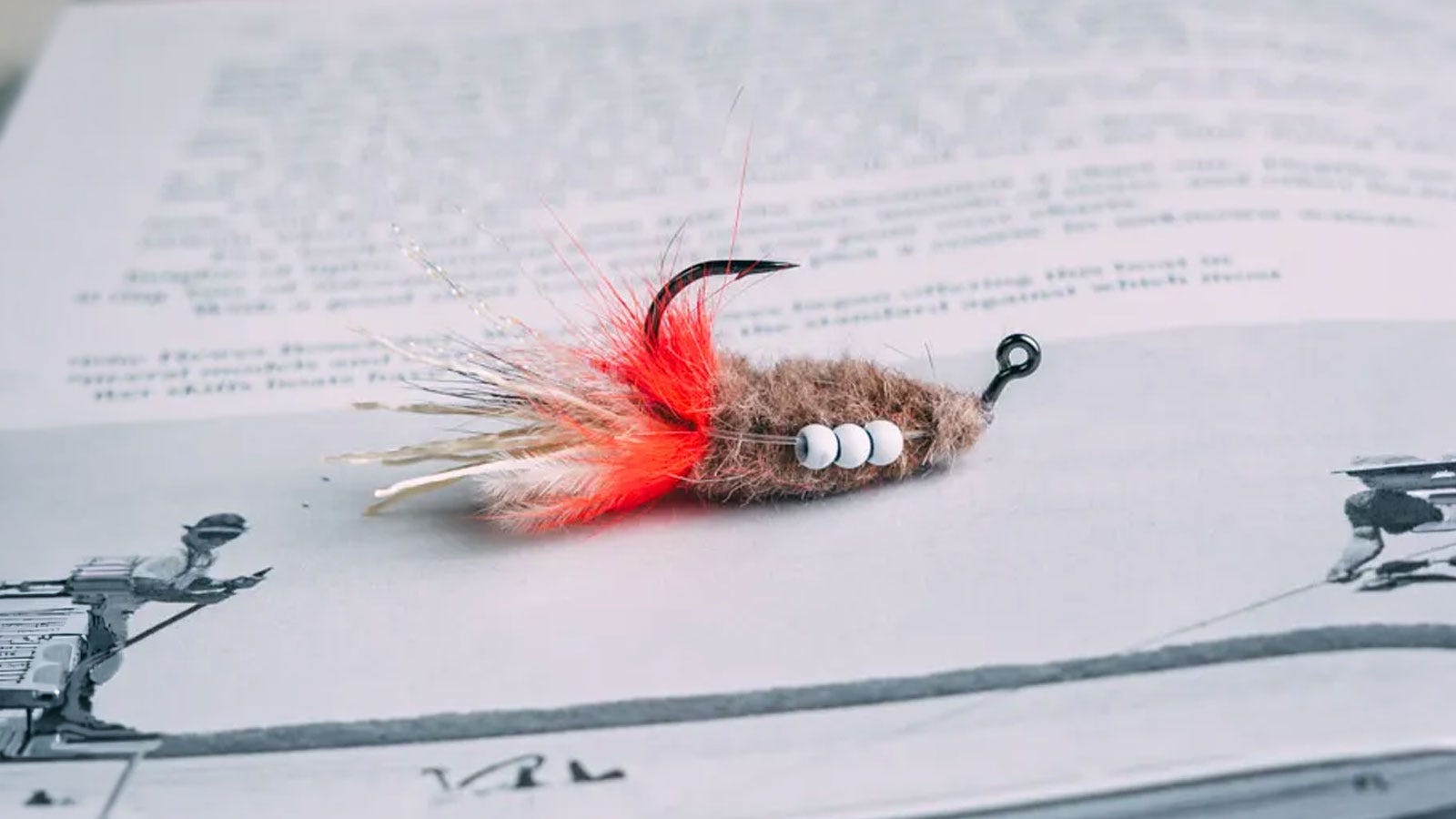
Drew Chicone's Mayhem Mole Crab
Originally tied for pompano, this pattern has quickly become a go-to fly for permit. Another inventive pattern from Chicone, the Mayhem Mole Crab. This fly includes a smart design that is intended to mimic a crab fleeing into the sand, “moleing” it’s way in if you will. This is achieved through two mirrored pieces of mono on either side of the crab; both pieces loaded with tungsten beads. The beads ensure that the fly both gets down very quickly while also ensuring that it will create a “puff” or disturbance in the sand. Thus, further selling a crab's defense mechanism of burrowing in. This fly comes in one size, size 2, and four different colors, ghost, ghost/pink, olive, and tan. For a bigger bullseye, reach for the ghost/pink variety. This particular one has a hotspot meant to emulate an egg sack on a female crab. This is a dead giveaway for predatory flats fish.
Get Your Mayhem Mole Crabs HERE