
Clay Cottle's Top 5 Skinny Water Redfish Flies, Rockport, Texas
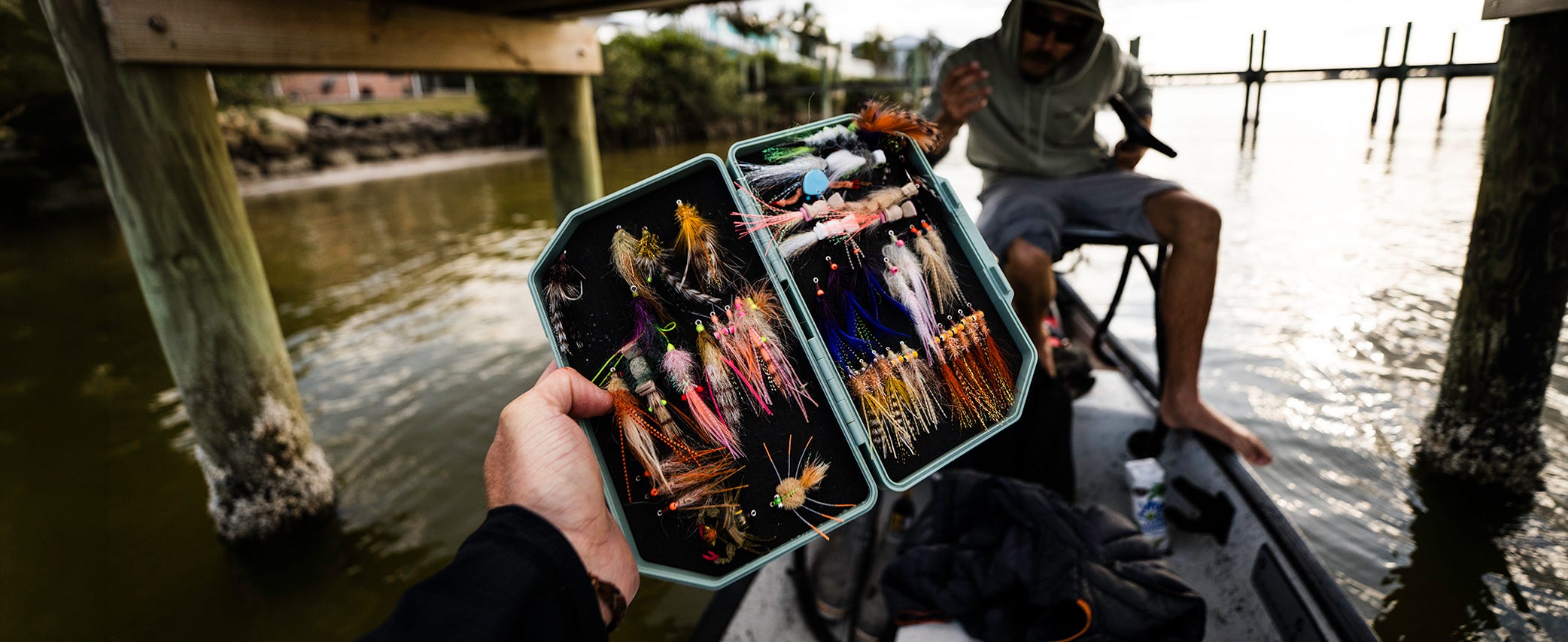
There are no lack of things to do during fall, the fleeting season when everything is fishing well and time is at a premium. We spend most of our time stalking trout in the West, but we can't think about October and November without considering redfish . . . and we figure you do too.
It's now early October and if you have have redfish in your plans, there's no time to spare. Fortunately, over the next few weeks you'll find some redfish and general salt-focussed content in our lineup and we hope that media serves you well when planning your upcoming trips. If you like redfish, snook, tarpon and the like, check in with us often this month and file away some tidbits that should help you on the water.
To open, we start in south Texas with noted guide Clay Cottle.
Cottle loves the thrill of the hunt. That's why you'll often find him poling the backcountry looking for redfish patrolling the shallow banks, bodies sometimes half-in, half-out of the water. When conditions are great, and Cottle selects the right fly, he might put 30 or more reds on the deck in a single day. Following are Cottle's essential south Texas skinny-water redfish flies. Pack these with you and your sure to get some eats, even when casting to fat, wary redfish in those skinny Texas backwaters.
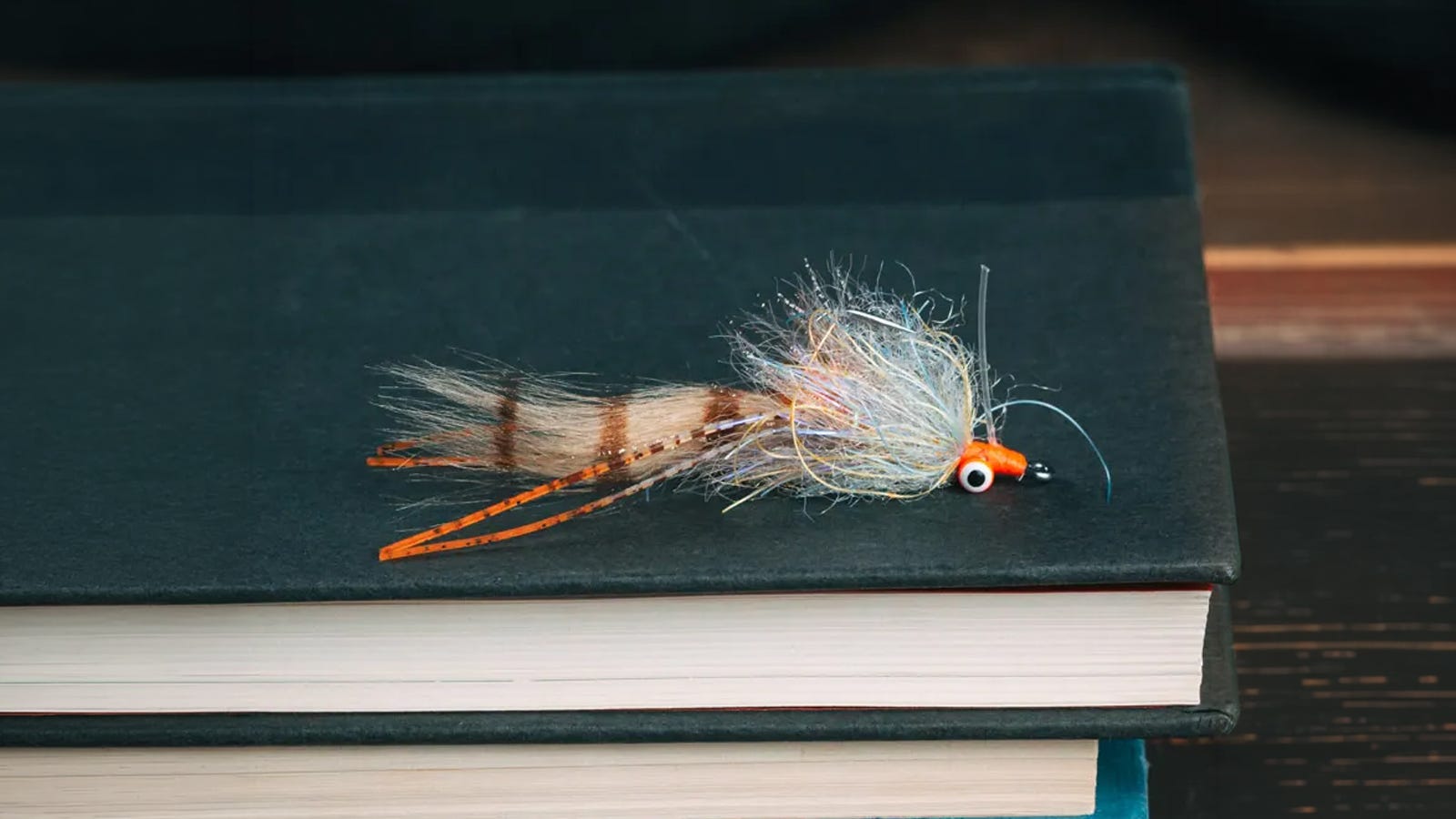
Redfish Crack
When I’m on the water, eighty percent of the time I’m throwing a two-to four-inch long Redfish Crack. It’s got a bulbous head so you can do long, continuous strips, or swing it across or just under the surface to mimic a fleeing finfish, like a mullet or glass minnow. Or, you can swim it slowly and pop it off the bottom, like a shrimp kicking off and settling back down. You can also strip it across the bottom to emulate a crab.
The great thing about the Crack is you can tie it in a variety of ways. I tie it on a 1/0 short-shank hook and use Pseudo (hair) for the tail. I like Psuedo better than Craft Fur because it undulates and moves better in the water. You can add legs and eyes, palmer in cactus chenille, burn the tail, mix up your dubbing colors . . . . I fish it in black most the time because the fish key in on silhouette, and I can see it, and my client can see it. I don’t try and replicate forage exactly because then you can only fish the fly as one thing. I like it to be versatile.
Weight is important on this fly. You’ve got to get it in front of a redfish’s face as quickly as possible. You don’t want to lead them too far to give it time to sink. Lead a redfish too far and the fish will change direction and you’re out of luck. When the grass is up, I’ll tie it with one or two sections of 30-pound Mason mono as the weed guard.
One thing I don’t like is when this fly is tied too bulky. I like to trim that brush on the underside because I think less is more. Less will make the fly cast better and it will sink the way I want it to, depending on how much weight I’ve used.
Get Your Redfish Cracklin HERE
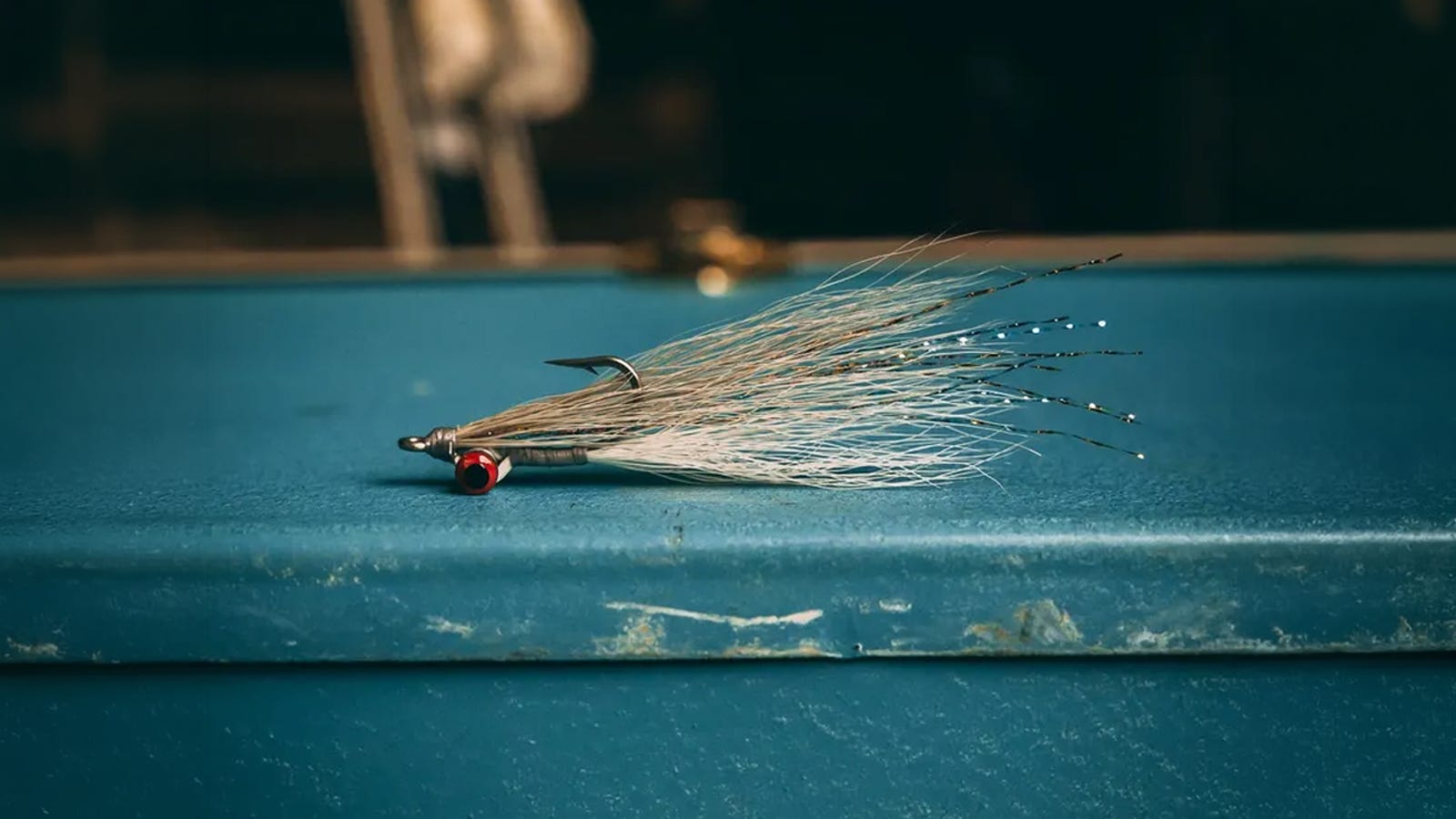
The Clouser
The Clouser is just tried-and-true and it catches fish. Plus, I can knock out a bunch of them in a short time in a variety of color codes and weights. Some days I’ll want a bright fly, like pink or yellow or white. But I almost always go back to black. Again, I just like a strong silhouette. Depending on what zone I want to fish, I’ll dial it in by adding weight. I tie it on an S12S Teimco or a Genryuu long-shank hook in size 1. That longer hook shank allows you to use the materials you want and get the profile you desire. Most often I tie my Clousers with bucktail, but sometimes I’ll doll it up a little.
Get Your Clousers HERE
Deer Hair Gurgler
The mouth on a redfish is on the underside of its head, and I think they get ahold of deer hair a little better than foam. So, depending on how densely you pack the head, you can fish it on the surface and wake it and they can still get their mouths around it.
I like Pseudo for the tail on this fly and you can use hackle to stretch it out. That gives you the length you want and still maintains castability. If you add a bunch of flash it can look like small group of fry and that draws a reaction.
You can tie this fly in a bunch of color schemes, but I like to stick to natural on these, like black and purple.
Image Coming Soon
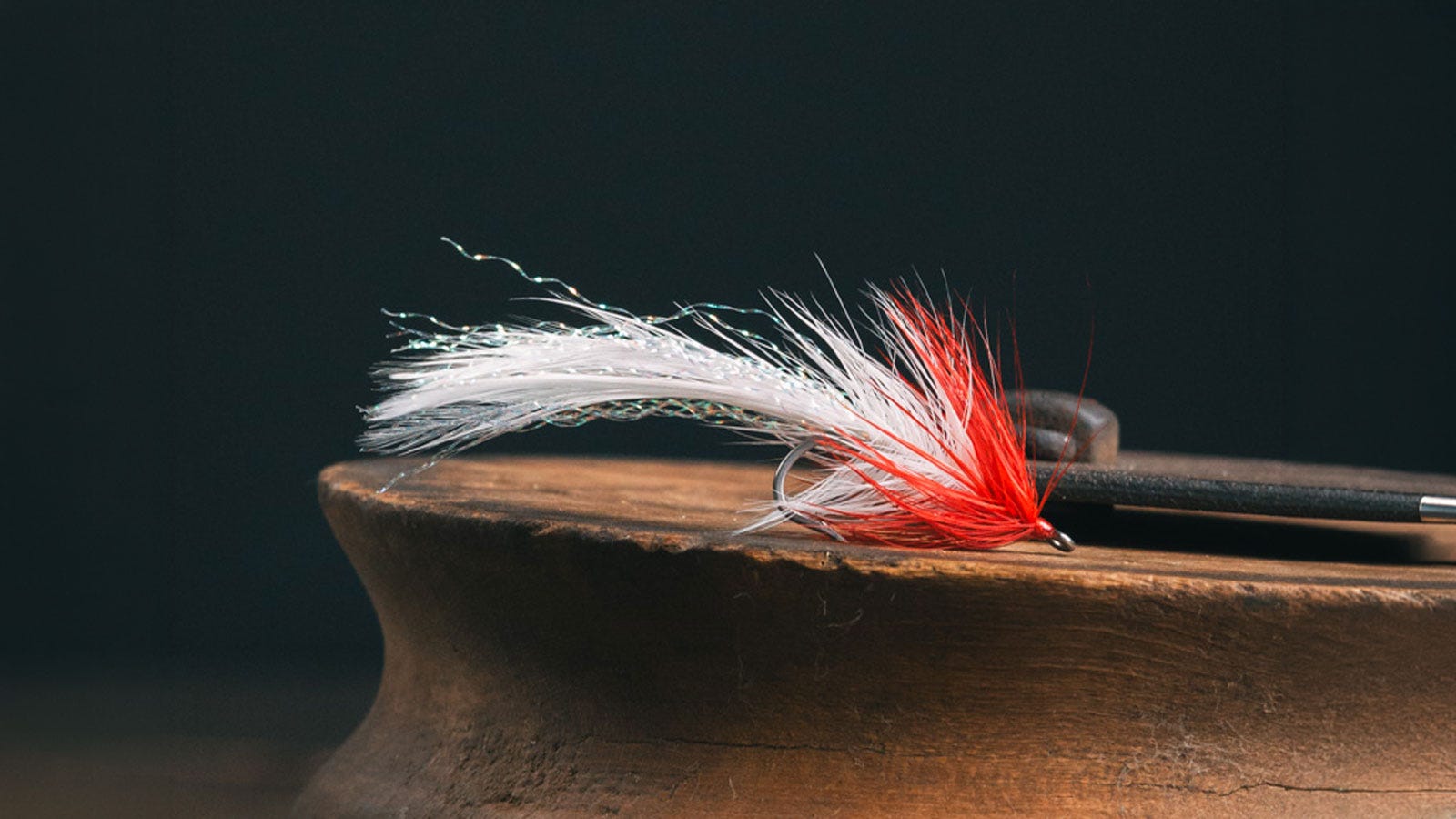
Seaducer
I like this fly for finicky, heavily pressured fish. You can palmer feathers for the head and body and use hackle off the back for the tail. That allows me to lay it in there with little to no surface disturbance. Also, depending on how many feathers you palmer in, you can adjust the buoyancy of this fly. That means you can almost get it to sit stationary on the surface. Then, when you want to, you can strip it, and it will sit for a second before it slowly descends. It’s a great fly for cruising fish in the grassbeds.
In fact, if a deer-hair Gurgler or popper is spooking them, I’ll slide the Seducer in there. As mentioned, it doesn’t move as much water as the deer-hair flies and it lands softly. As soon as I move it and a redfish catches a glimpse of it, it’s on it.
Get Seaducers HERE
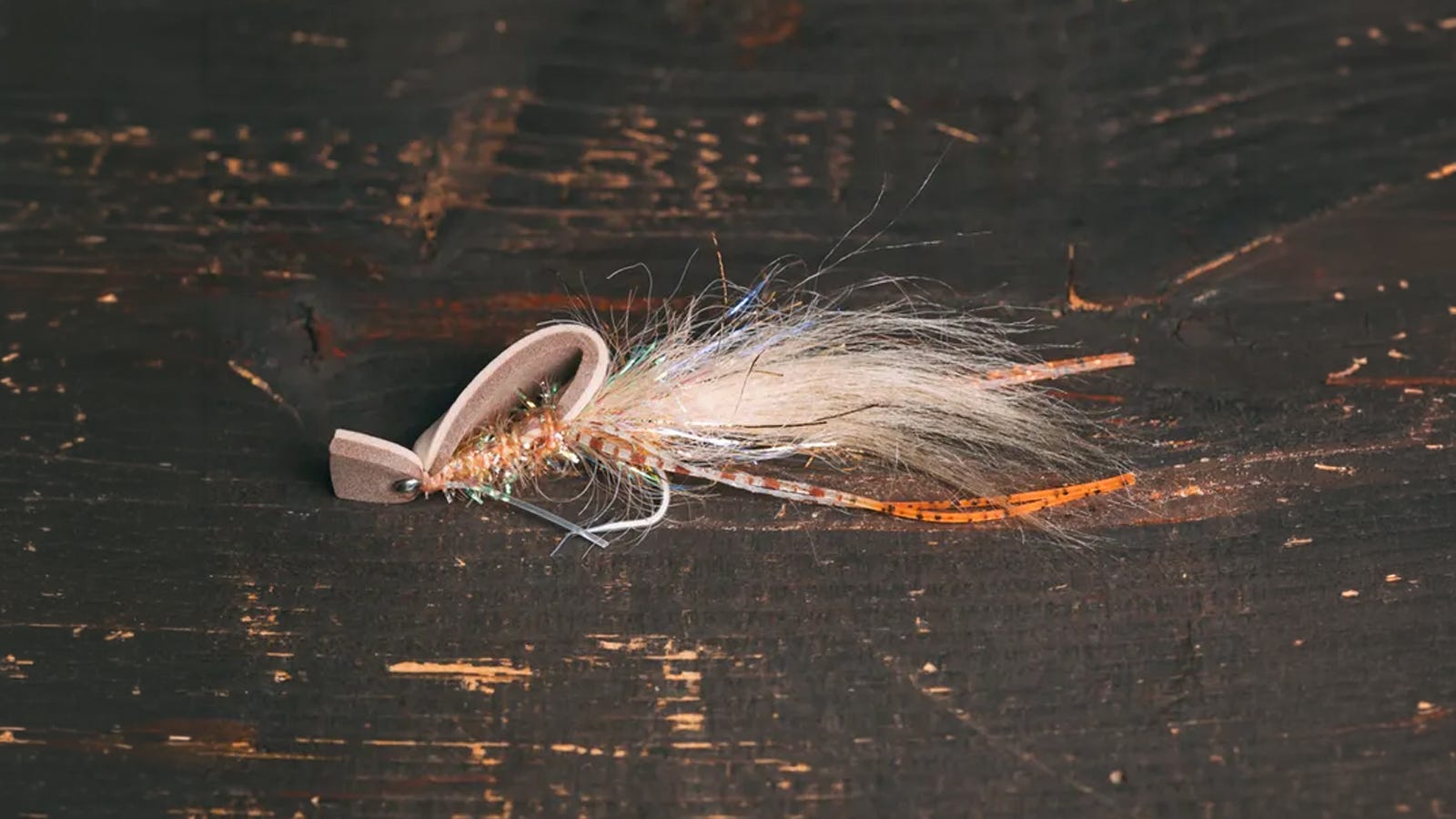
Traditional Gurgler/Topwater Popper
Redfish are super opportunistic. So, when a redfish finds a hardhead or ray rooting around and kicking stuff up, they’ll use them like a bird dog. In that scenario I want to avoid the bycatch. So I use these flies when the redfish are in deeper water and I don’t want it dropping into those rays and hardheads. It just keeps it out of the danger zone, but the redfish will still see it.
Find Gurglers HERE