
The Best Tailwater Hopper Fly-Fishing Patterns Of 2026
What makes a hopper pattern “The Best”?
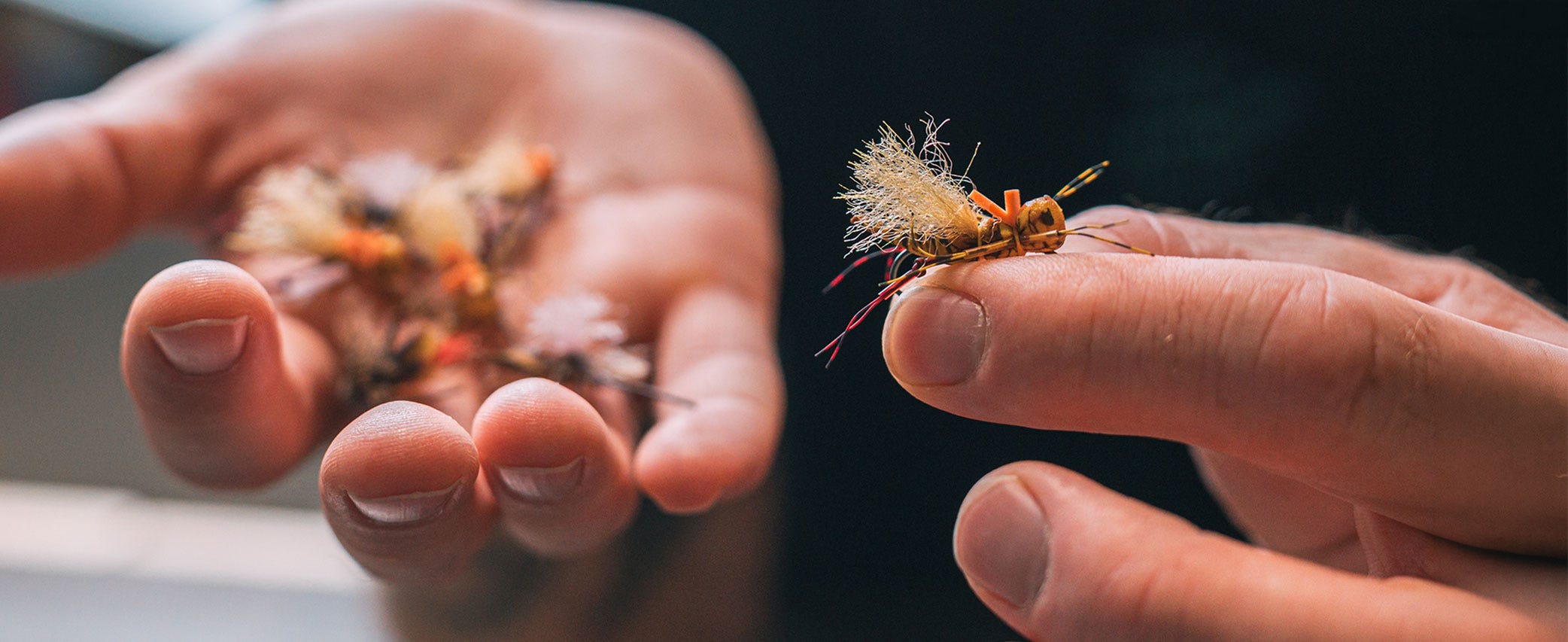
Our choices are derived from very strong opinions, just about zero hard data, and an overdose of heavy debate. The reality is, there are a ton of great hopper patterns and many of them work well. However, there are a few that rise to the top of the list and have become common denominators during our in-house and sometimes volitile debates. Of course, our House of Fly team leans toward stealthy patterns, mostly because we spend a lot of time on central-Montana’s challenging Missouri River. But the following patterns work elsewhere too, meaning anywhere anglers find picky trout on mostly flat-surfaced waters. Think Idaho’s Henry’s Fork and Silver Creek; Montana’s Beaverhead and lower Clark Fork; Wyoming’s Bighorn and Flat Creek; Yellowstone’s Firehole . . . etc.
Creating a top hopper pattern is a badge of honor in fly-tying circles and we will do our best to keep this list updated as new go-to patterns emerge. Here are our three “Best” hopper patterns of 2026, with a list of additional hopper patterns that rest in our fly boxes, ready at a moment’s notice to dethrone the champs. Throw any of these, anywhere hoppers are found, and you’re likely to get the kind of eats that keep you happy and shouting, “Whoa, did you see that!”
Kris Keller’s Henneberry Hopper
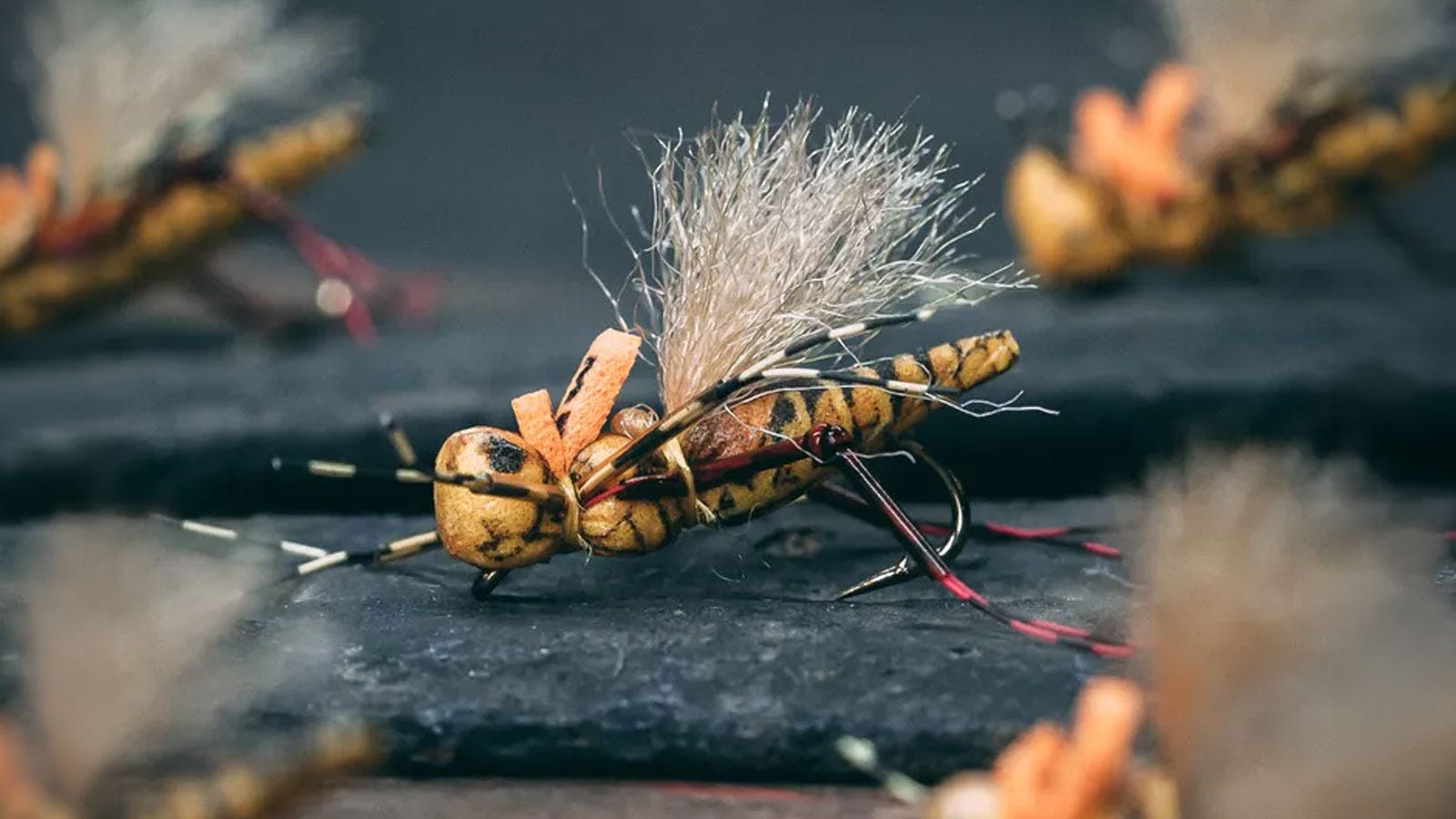
First off and full disclosure, Kris is our homie and we always support his patterns. Unfortunately, his fly-tying skills and the patterns he creates are largely underrated and undermarketed. That’s part of the reason we placed Keller’s Henneberry Hopper at the top of our “Best Hopper” list. The other reason? It flat out catches fish. The Henneberry Hopper may be the most realistic hopper pattern on the list, designed for the flat and clear spring creek-like waters on the Missouri River and other locales. This pattern also currently dominates the most bin space inside our seven House of Fly shops. The Henneberry’s ultra-realistic body separates it from the other patterns. Kris admits, the body on this fly makes it almost unfair to deploy on some waters. Kris said he worked hard to make sure the legs and wing enhanced the fly’s realism, fishability, and floatability.
Patrick Kilby’s Juicy Hopper
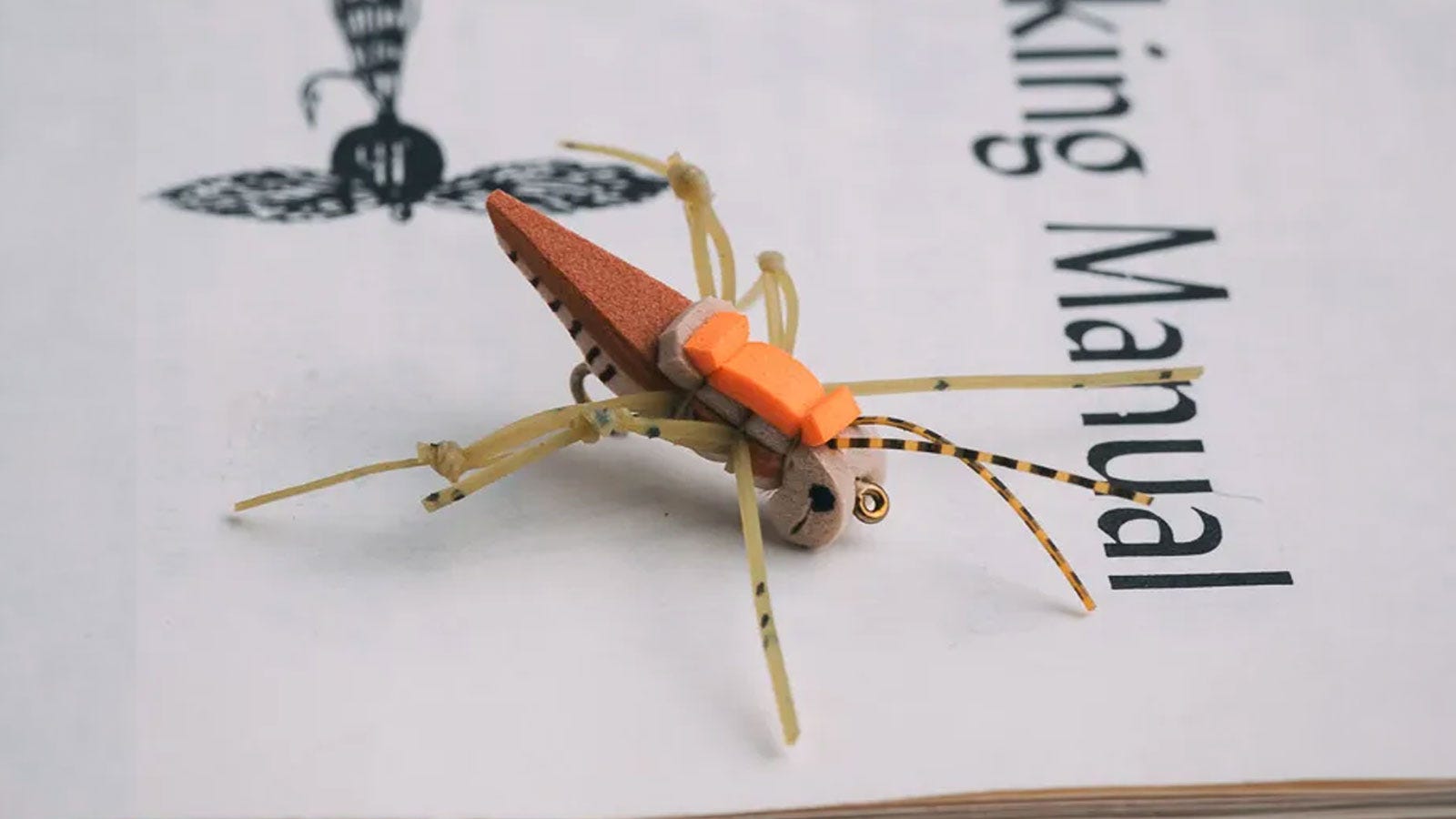
Honestly, I didn’t know a whole lot about Patrick until he showed up in Craig, Montana, at Camp 4, our fourth annual House of Fly training and get together for all our staff and many of our top suppliers. Patrick attended as the person in charge of Rio fly-fishing products, including its lineup of flies. I spent a lot of time with Patrick while watching him perfect a new dragonfly pattern, which became the My Oh My Dragonfly. It occurred to me that this guy is a modern-day Gary LaFontaine. He trapped live mice in a clear water bucket to watch them swim when he was developing his mouse pattern called the Pip Squeak. He has incredible attention to detail and truly tests and designs creative patterns. So, we decided to just add all his patterns to the House of Fly site. The Juicy Hopper is an upgrade to foam hoppers of the past, the key design concept being that it is tied on a curved hook. The curved hook lowers the fly’s center of gravity and allows the fly to always float right-side up. Another simple but key detail is that the color of the legs matches the underbody almost exactly, a realistic element that many other patterns lack.
Ken Morrish’s Hopper, a.k.a. The Morrish Hopper
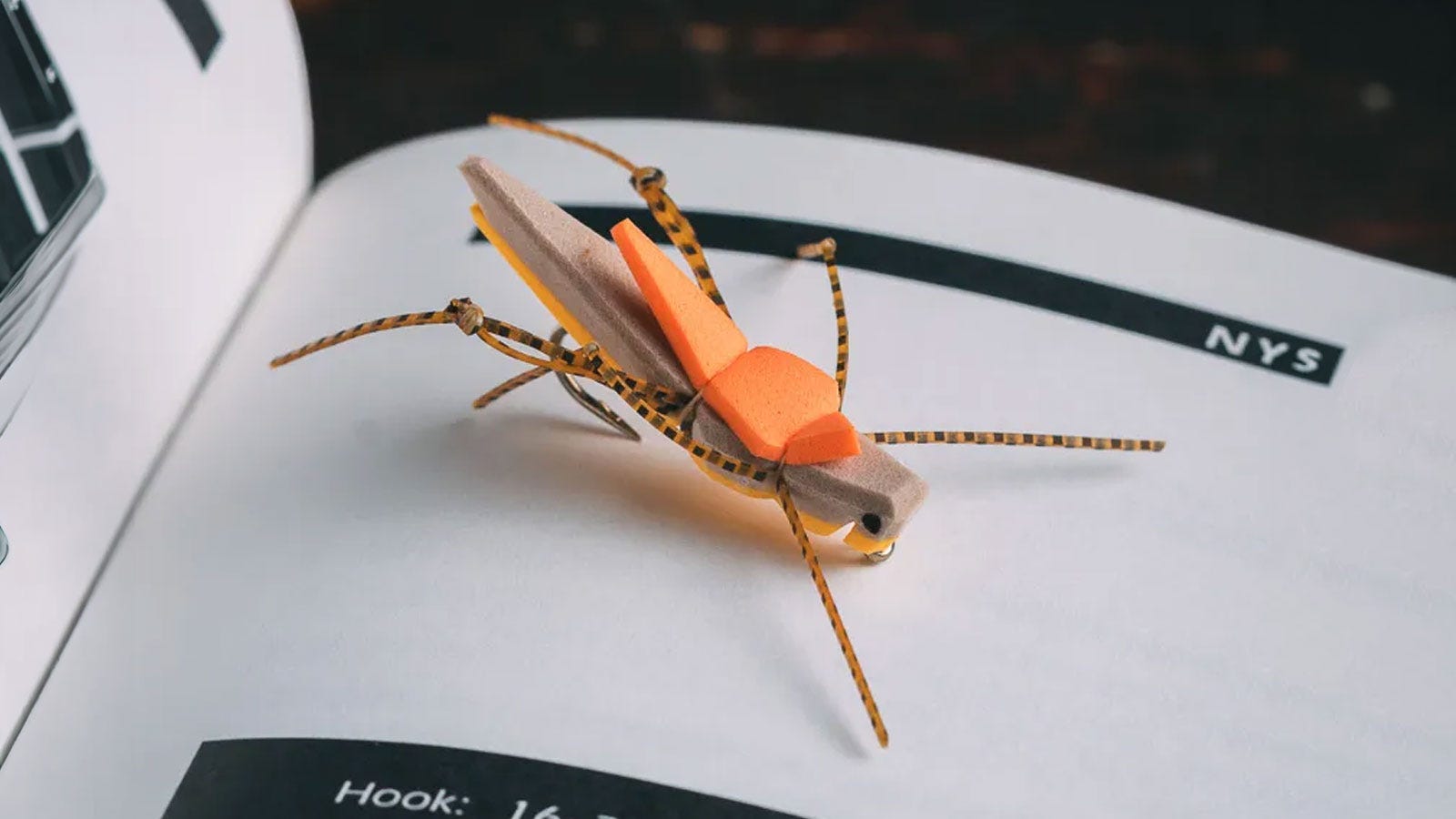
Ken needs no introduction, or at least his hopper pattern doesn’t. In the past decade this hopper has been our best-seller, knocking out Rainy Riding’s Grand Hopper from the top spot. Ken notes that one of the biggest flaws in fly design is when tyers think they know what an insect looks like but don’t spend enough time really studying it. When Ken sat down at his tying bench and developed the Morrish Hopper he had hoppers pinned to a piece of wood so he could perfect the shape. This pattern sits low in the water, which fish love because it looks real and appears as easy prey.
HonOrable Mentions
While those are our current Top 3 hopper patterns and should be a pretty solid bet nearly anywhere trout target hoppers, there are a number of other patterns that we must mention from our discussions/debates. Here you go:
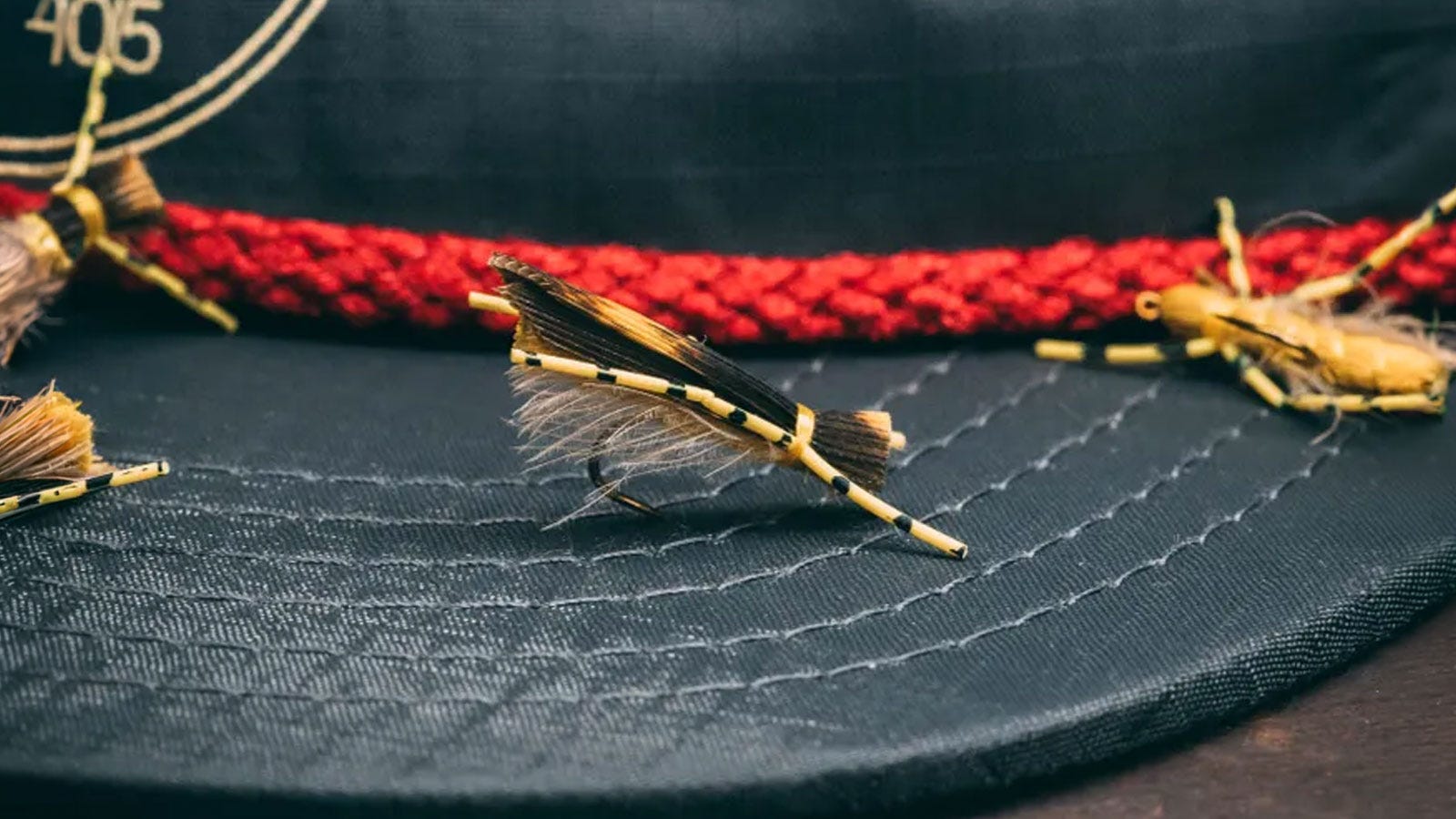
Rene Harrop’s CDC Spring Creek Hopper
A deadly, realistic hopper that lands on the water much softer than most hoppers. It comes in small sizes with muted, natural colors for the ultimate spring creek hopper fishing solution.
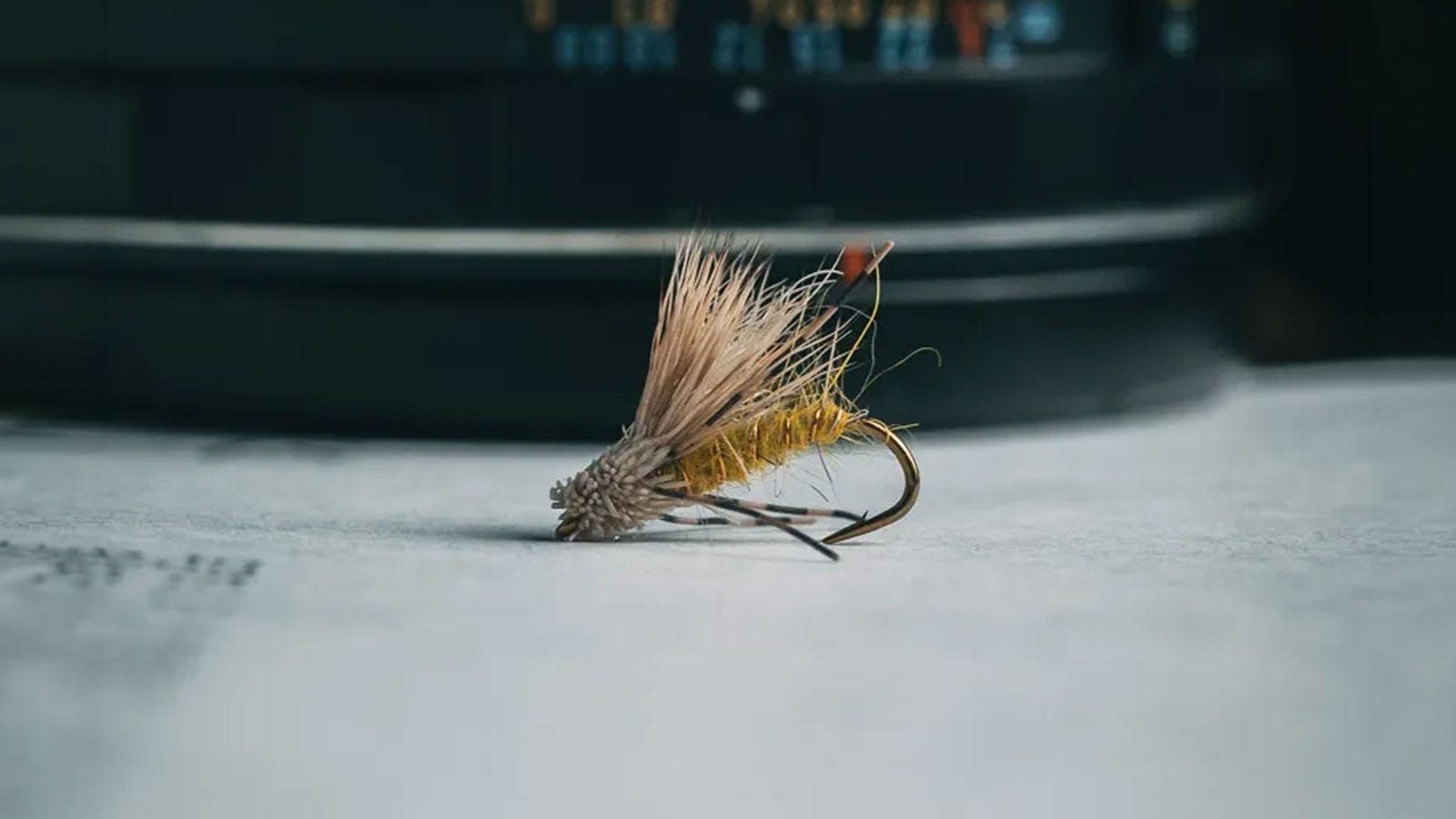
Kelly Galloup’s Snowshoe Hopper
Kelly Galloup’s Snowshoe Hopper
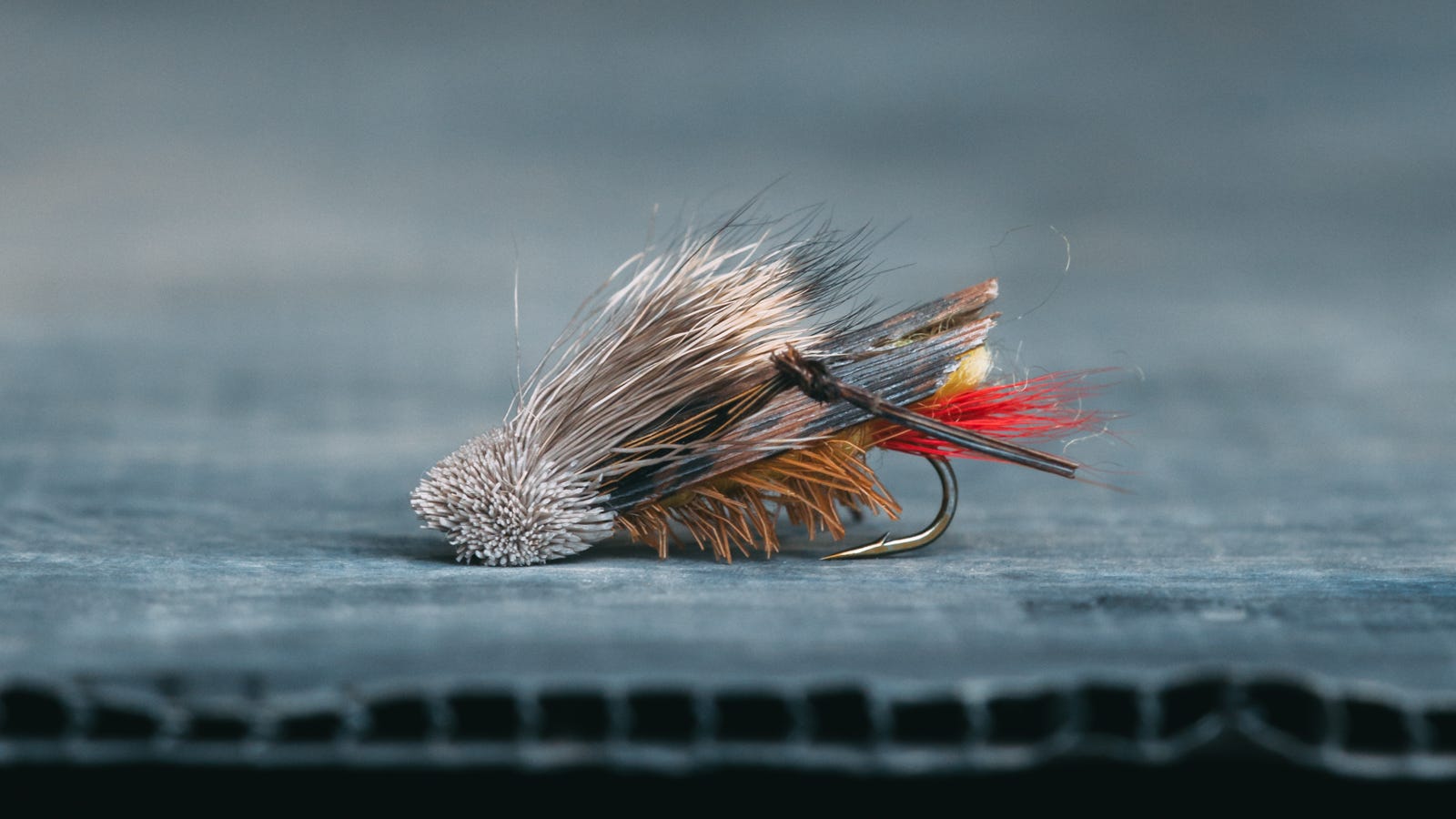
Dave Whitlock’s Hopper
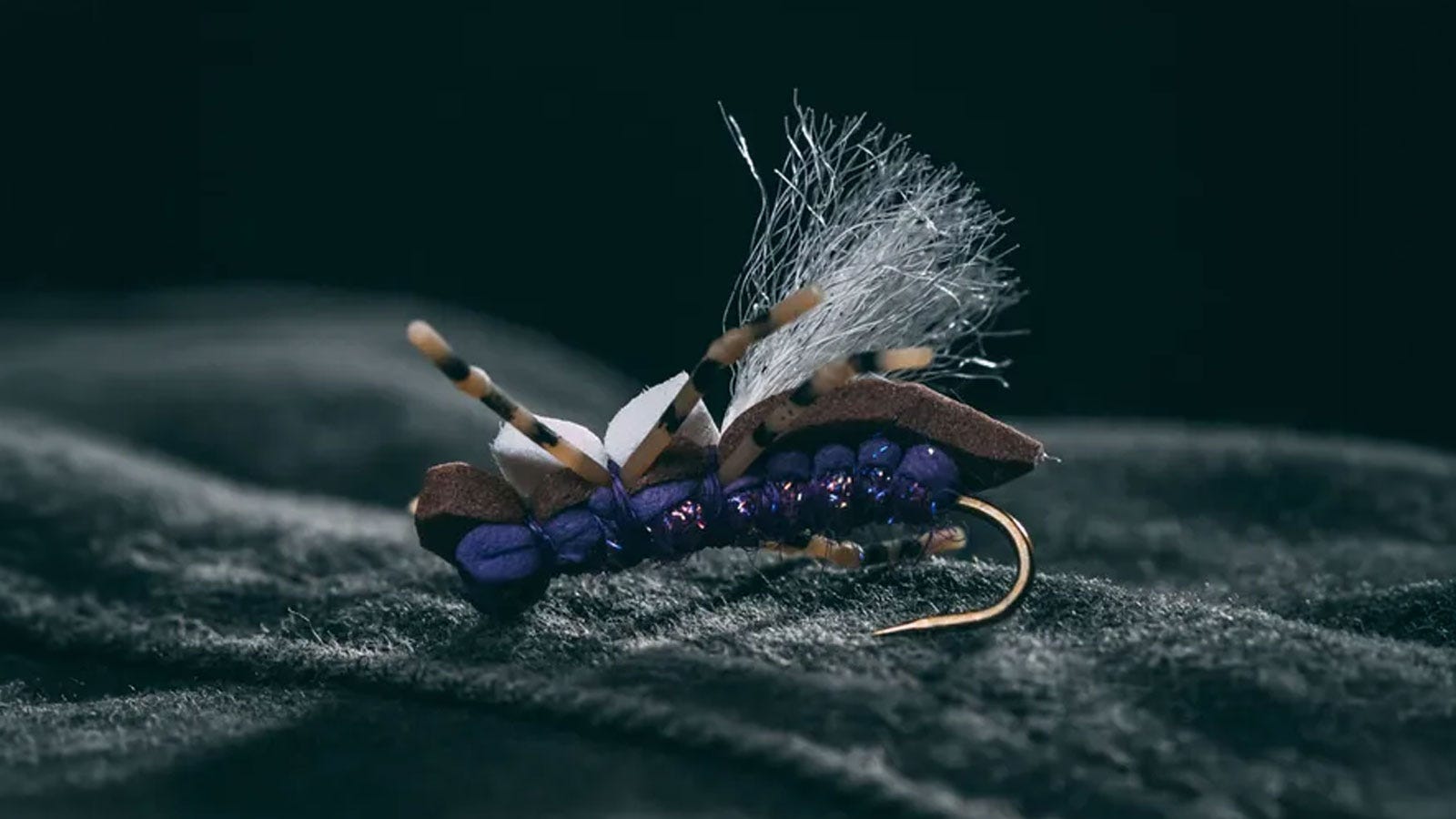
J-Slam
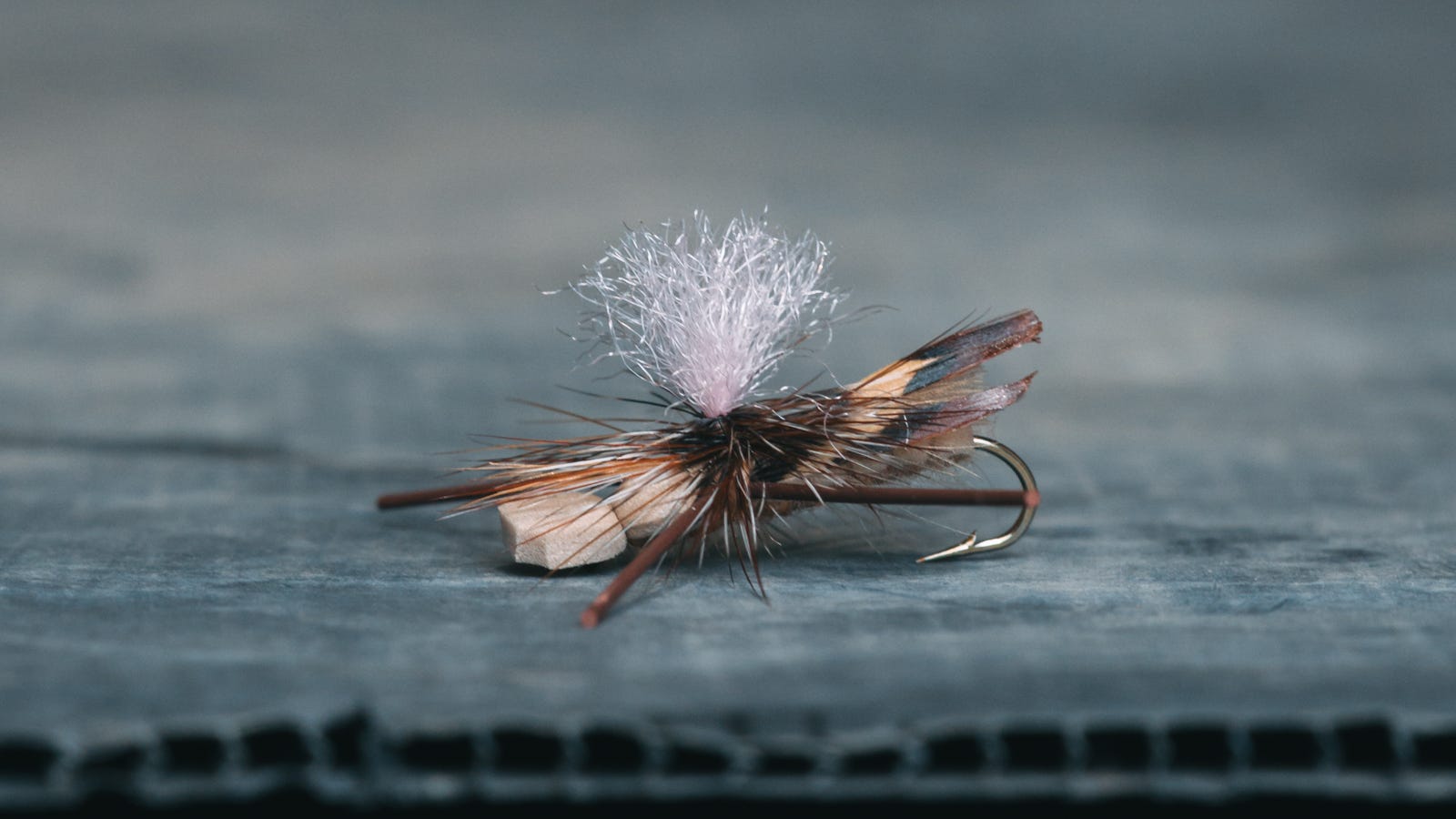
Dave Bloom’s Parachute Hopper
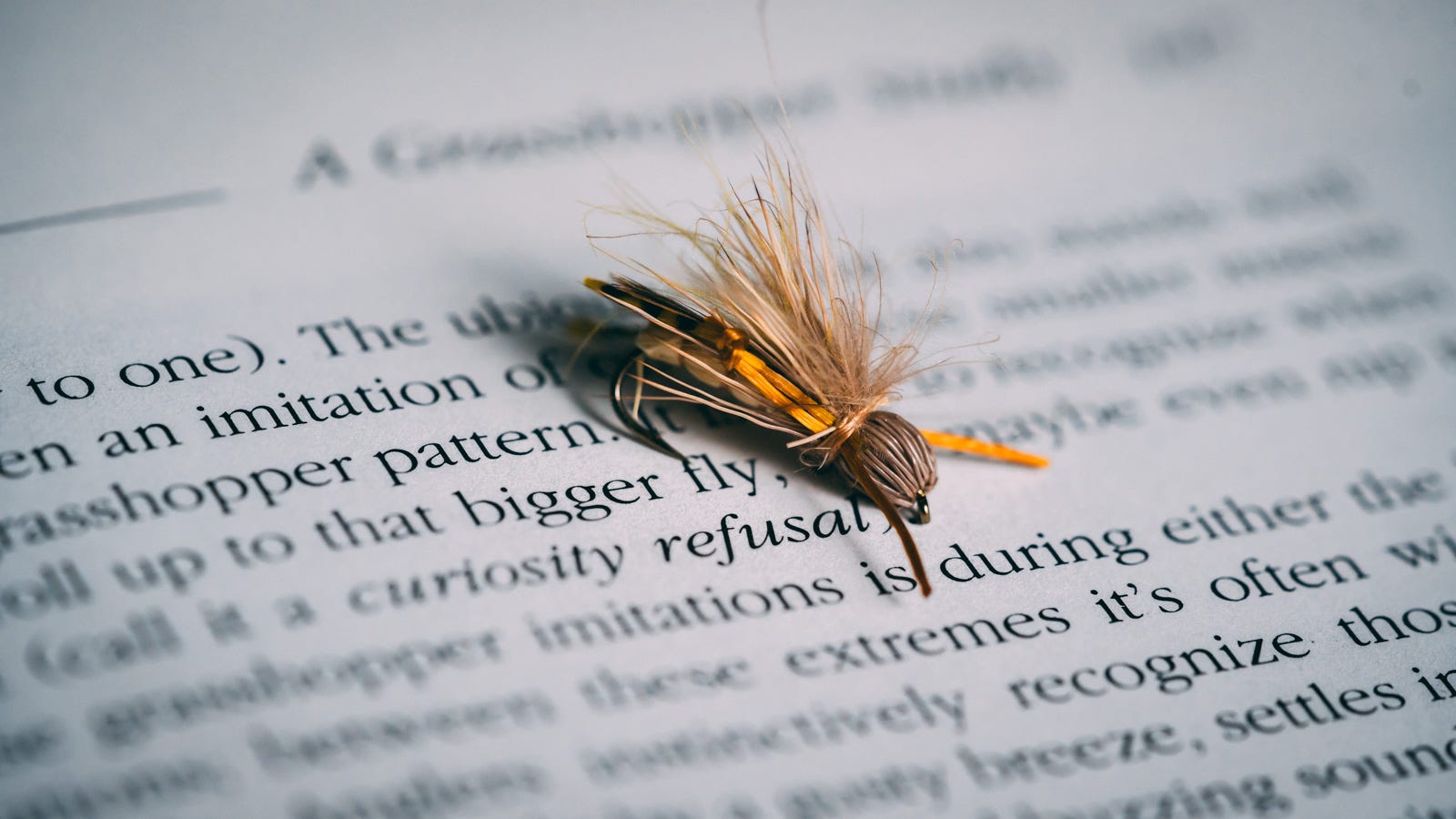
CHRIS JOHNSON'S MIMIC HOPPER