
North Idaho: Best Late Summer Trout Tactics in the Far Northern Rockies
Words by Tyler Balich
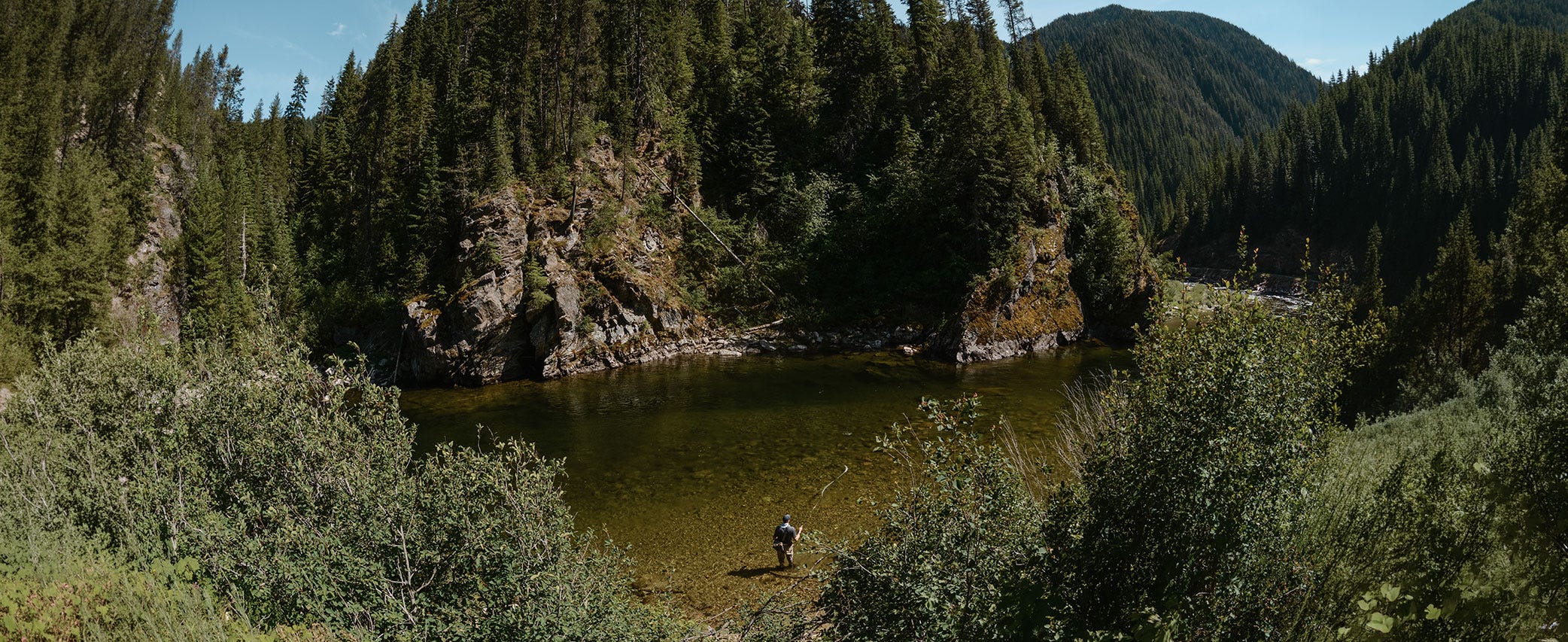
Ah yes, the dog days of summer are here. That means hot sun, cold beer, sunburns and, depending on where you cast a line, more technical fishing.
At least you’re not alone in taking on this challenge. In fact, the beginning of August and onward into September could provide tough fishing no matter where you throw a line. With temperatures expected to be in the upper 80s to mid-90s in North Idaho for a few weeks or more, our fish will behave differently than they did during spring and early summer, and we’ll have to do the same to consistently catch them. Here are some tips to help you do just that.
Early And Late
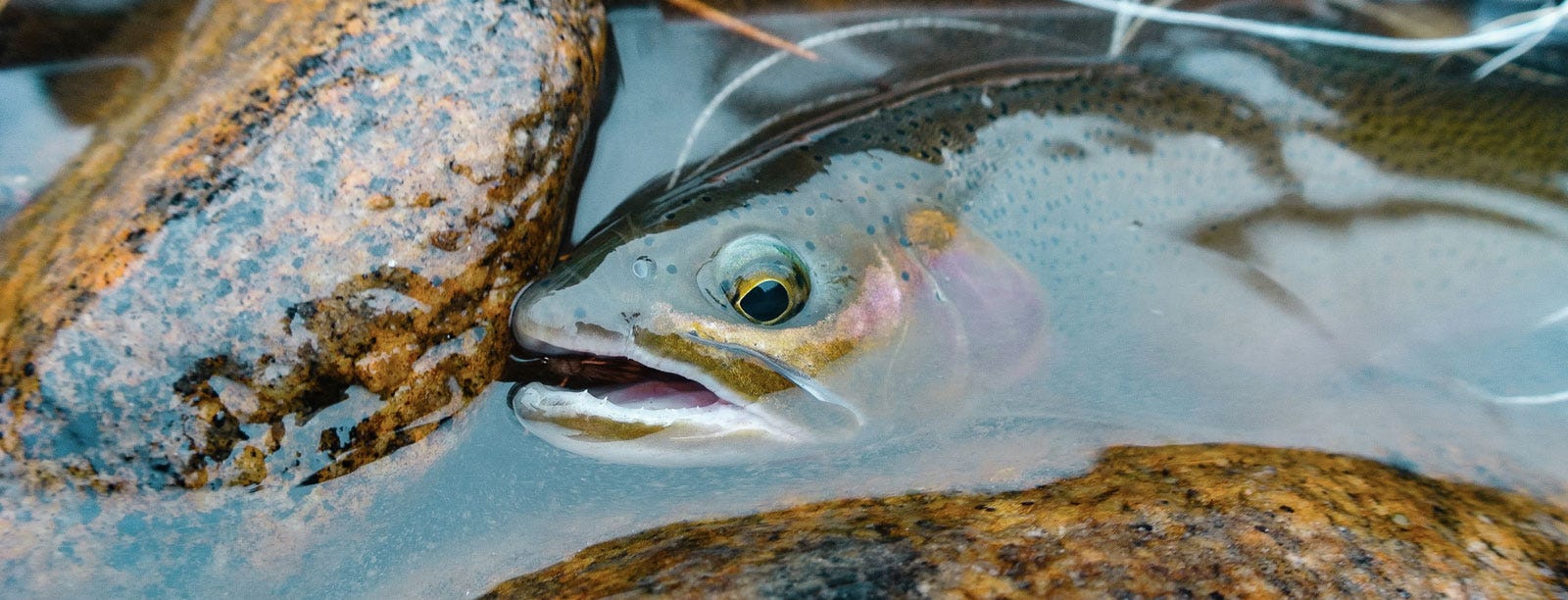
Getting on the water early and staying on the water late is your best remedy for the summer heat. During those early and late hours, you’ll find cooler water temps, shade, and more bugs hatching. That means fish will be more active at those times. During midday hours, when water temperatures are highest and the sun is bright, those fish may have their bellies resting on bottom. Most of our local waters will have very consistent caddis hatches (and maybe some PMDs) each day through August, especially in the evening hours. Patterns to match those bugs should be staples in your box. Carrying specific emergers to match these hatches is critical, as fish often key on that stage of the hatch above all others. Something to consider as well: our caddis hatches get very heavy on our rivers in the evenings and continue through the night; the next morning there are residual caddis still laying eggs and plenty of “spent” or “dead” caddis on the water. Be ready to take advantage of that morning opportunity with spent and crippled caddis imitations.
After Dark
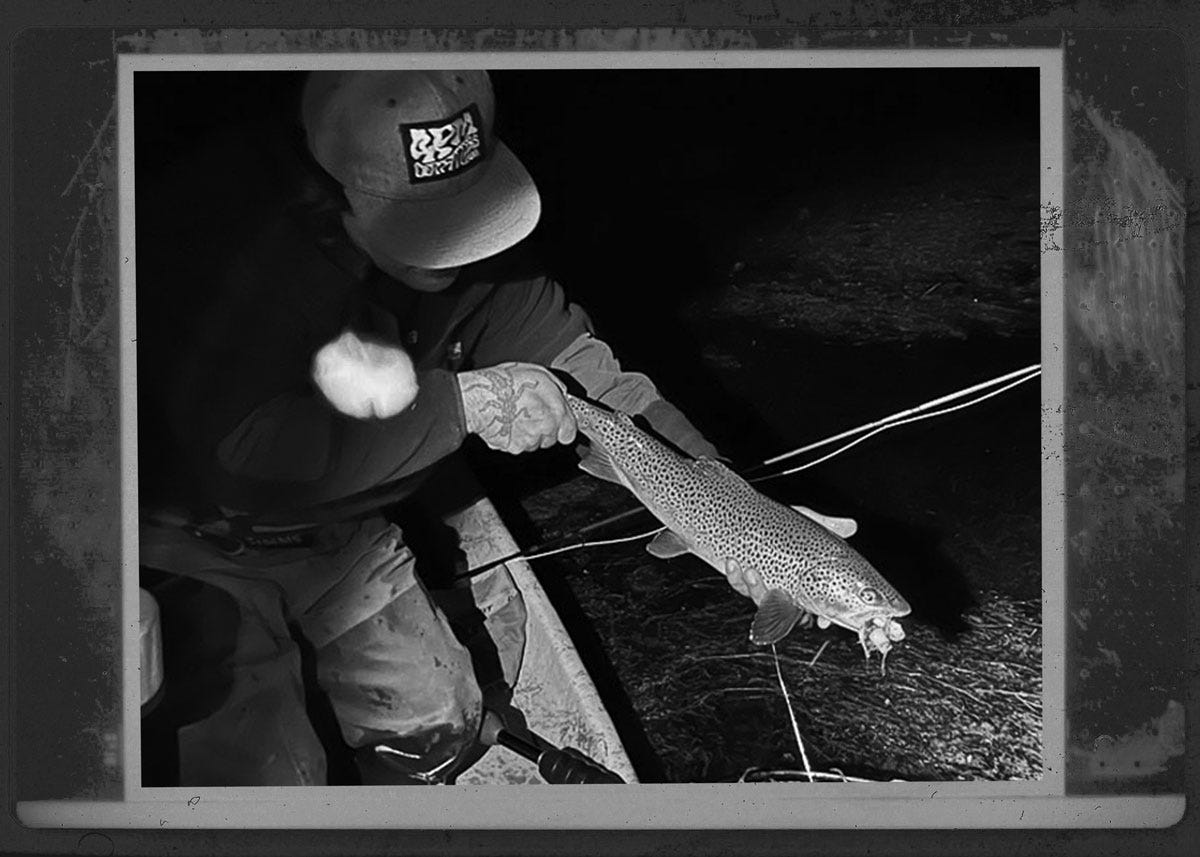
Another solid option is fishing into and after dark. Have you ever gone “mousing” at night? These hot summer days can force our fish to feed late into the evening and through the night and they’ll be looking for any opportunity. Mouse patterns can be surprisingly effective at this time. Streamers also work great in the night. And stripping a caddis or a larger soft hackle can bring results too. If you can pick a full moon night and go for a float, you could have a ton of fun and see some fish you wouldn’t encounter during the day.
Midday Hoppers, Ants and Tandem Nymph Rigs
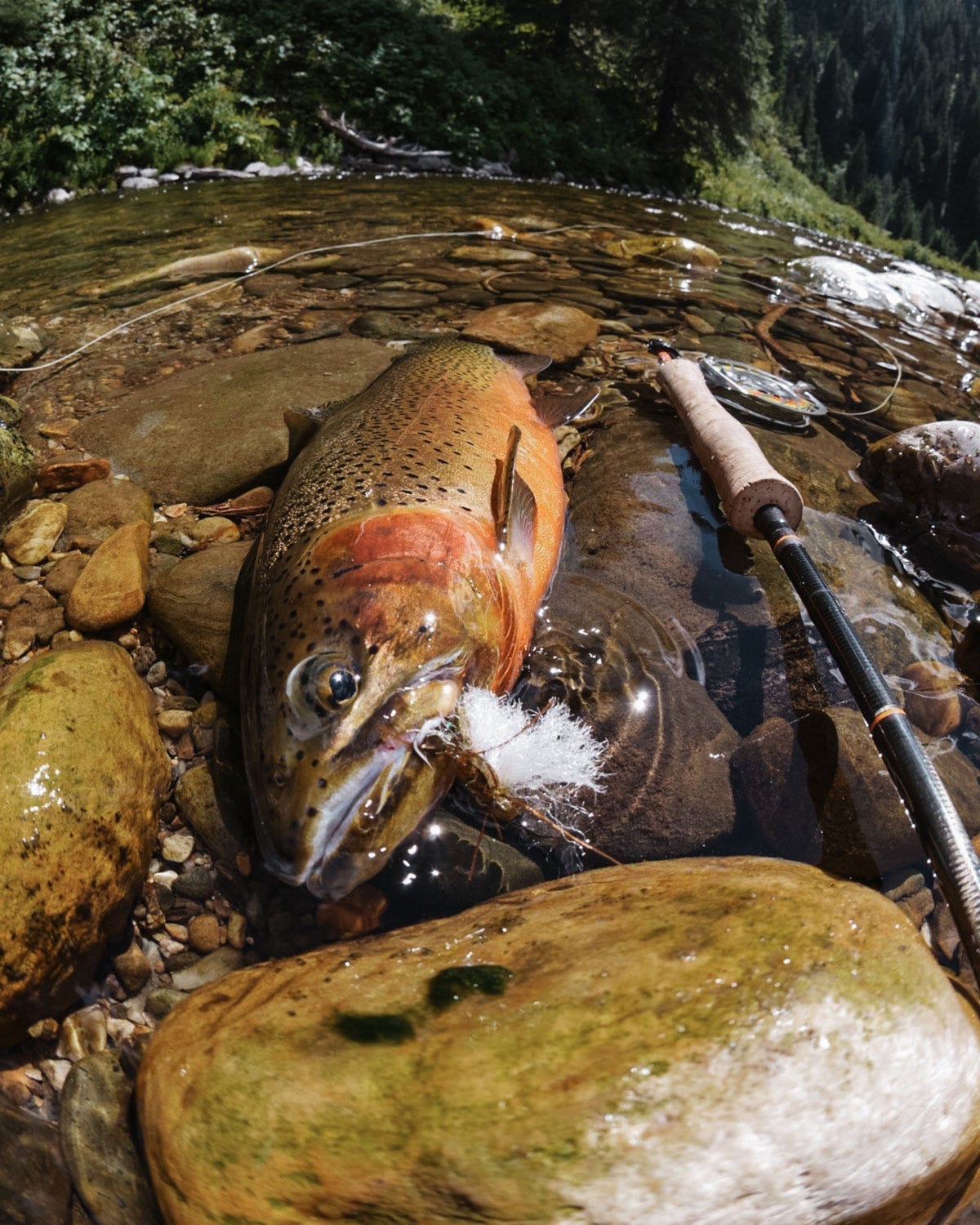
If you’re on the water through the midday hours you should concentrate efforts on shaded areas, riffles, pocket-water, undercut banks, and the fast water resting tight to the banks. When fishing terrestrial patterns or attractors this time of year make sure you give them a twitch and get them moving a bit. I love running a basic foam beetle or ant behind my hoppers and I can't tell you how many times I've seen pressured fish come up slowly to the hopper and instantly turn and eat the beetle or ant instead.
During late summer, meaning mid-to late August and into mid-September, we should see hatches of very small flying ants. These critters are small, size-20 and 22s, but man, oh man, do the fish key on them. Again, I will run a small ant pattern behind a smaller hopper. The hopper mostly serves as an indicator, but on windy days the fish do turn to hoppers and its game-on with the big bug.
Nymphing is always a good bet during summer, especially if you fish in the high heat hours. That’s because trout gravitate to the cooler, deeper water during the summer days and you’ll need bugs that get down to them. Our hatches dictate what we should be nymphing with. Again, we have tons of caddis on the water this time of year, so a caddis pupae, such as an October cased caddis, works well. Slender and smallish mayfly nymphs that match PMD’s are a good bet, too. Beadhead and standard Pheasant Tails, Hare’s Ears, Crack Back Yeagers, and Crust Nymphs are excellent choices.
On many of North Idaho’s awesome trout streams, including the St. Joe River, there is tons of pocket water and great riffles where a short, tandem nymph rig thrives. When fishing this setup, you don’t need long, nine-foot leaders. Instead, I’ll run a straight piece of tippet as my leader, constructed of 4X or 3X and no longer than four or five feet. If I need to get down, I’ll attach a split-shot or two or a small amount of Genryuu tungsten three-color putty. I attached that section to the butt of the leader (which is made of stiff Amnesia mono), which also is where I attach a strike indicator if needed. I can adjust the indicator up or down the butt section to properly fish the depth I choose.
When fishing indicators I favor smaller poly-yarn styles, including the "New Zealand wool" system. This NZ system excels when fishing to spooky trout. These indicators land softly on the water, with minimal impact, unlike larger corks or Thingamabobbers, which can splash down and spook every trout in the area code. For skinny water nymphing, meaning two or three feet deep, I actually like the old-school pinch-on foam indicators. Sometimes I’ll “sandwich” two of those together over a knot in the tippet. That way, the indicator stays in place. When fishing smaller nymphs, in the #14-20 range, this is killer rig and it doesn’t spook fish. Sometimes I’ll even pinch another foam indicator higher on the leader so I can track a drift through choppy water.
Trico Time
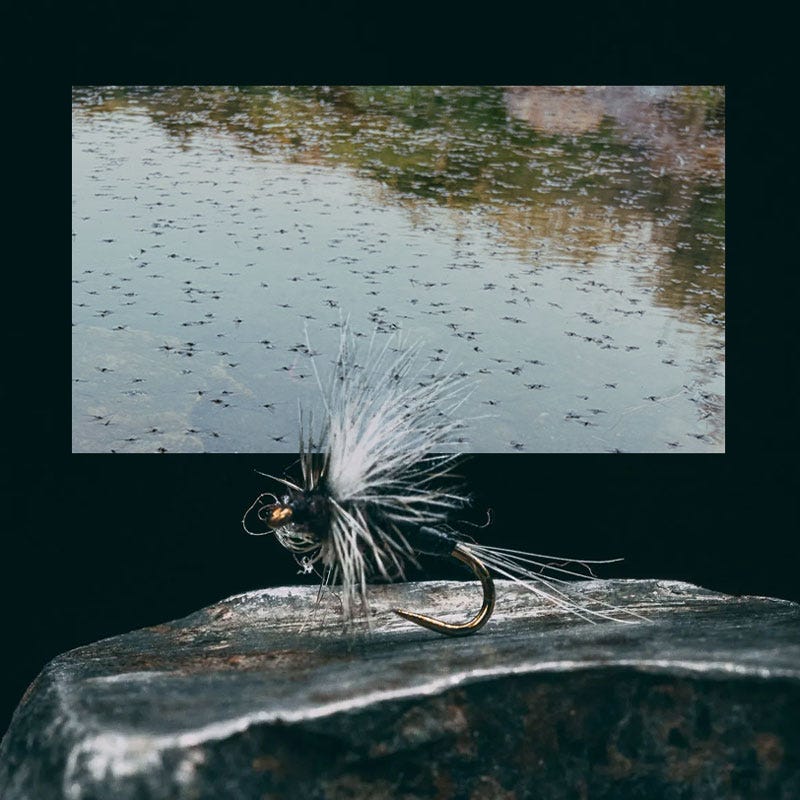
Tricos are also on the North Idaho/Western Montana summer menu and you may see those flies in the mornings, up until around noon. You don’t see Tricos in the swarms you might see on the Missouri, but Montana’s Clark Fork, specifically, gets pretty darn good hatches in August. Long leaders and small Trico spinners are the ticket if you want to catch fish feeding on these small bugs. The nice thing about the Trico hatches on the Clark Fork is that they are not incredibly dense. This gives you a bit of an advantage; a fish can actually find your fly on the Clark Fork versus it blending in with the masses on streams with more prolific hatches. This doesn’t mean it’s easy fishing. Tricos are very small and you’ll need to be very precise and gentle on your sets. Long leaders, light tippet and a soft rod are a must.
Don’t Sleep On The Streamer
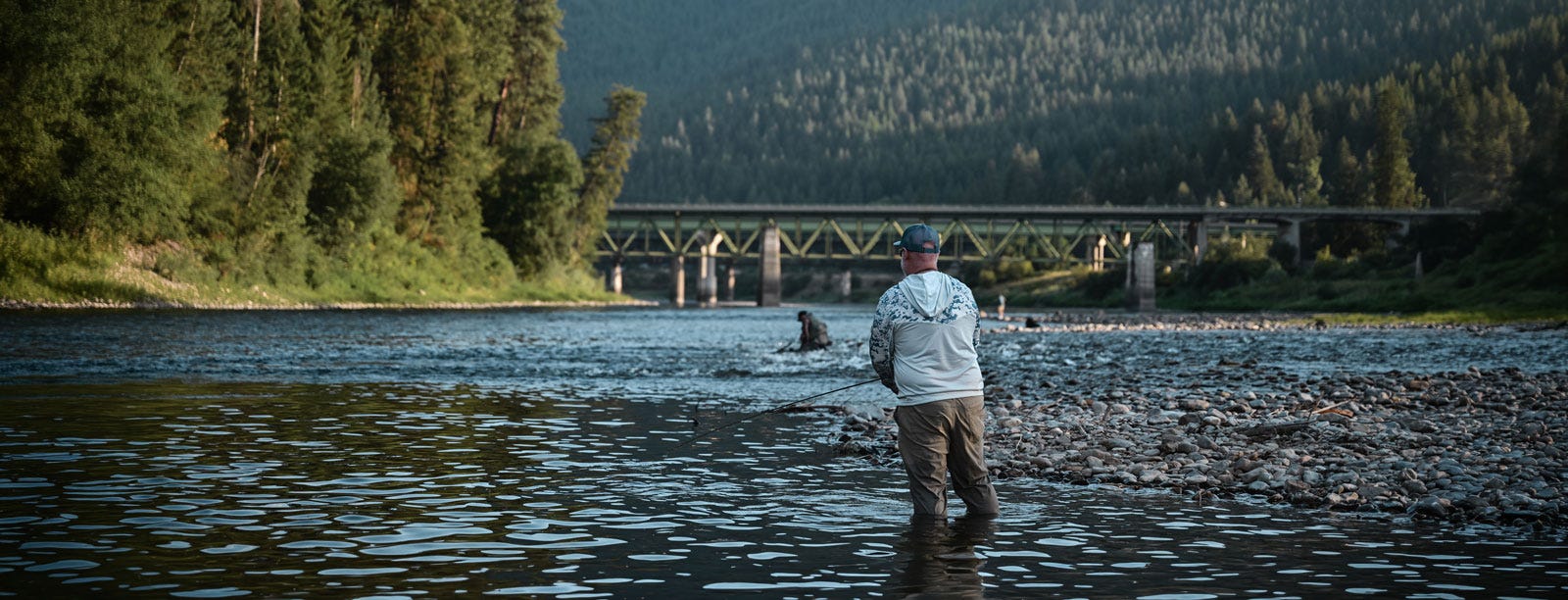
Streamer fishing can still be fantastic in pocket water areas, and the fast riffles of the upper St. Joe and Coeur d’ Alene riivers. Try downsizing your streamers to sizes #6 or #8. A Slump Buster in black or olive is tough to beat. No need for giant streamers here, but small, heavy dumbbell eyed flies get in the zone. A good tactic is to go through a run with your dries and/or nymphs and then rest the run. Come back to the top of the run and fish the fast water with your streamer and work your way down. You may see some fish that didn’t want anything to do with your dries or nymphs but will eat the streamer.
All Hail The Clark Fork Lobster
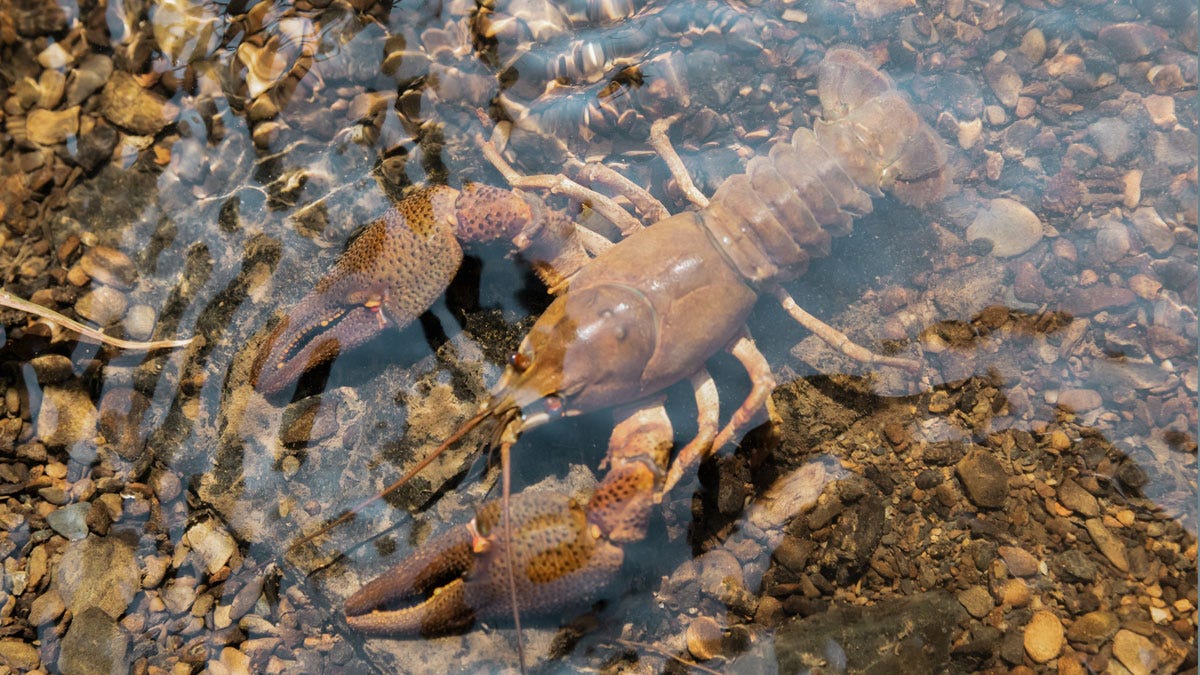
When you’re on the water in August, be aware that we have lots of crayfish in our streams. The Clark Fork has a huge population of these crustaceans, and they run large. I love casting crayfish-style flies like a Yuck Bug, Near Nuff Crayfish or a JJ Special, in #2-4. I cast them to the banks and strip them quickly back to the boat. If you’ve seen a fleeing crayfish, you know they are not slow and have an erratic swim pattern. When I was a guide, I would tell clients to strip crayfish imitations fast enough to burn the skin on their index fingers. When the fish hit, it’s a thrill. And you don’t have to fish deep water to find fish keying on crayfish: look for big trout moving into the shallows during late summer, hunting those crayfish. I’ve pulled fish out of water that’s just over a foot deep, water that was relatively nondescript that other anglers probably overlooked. Bonus for me!
Get Out There: Summer Fades Fast
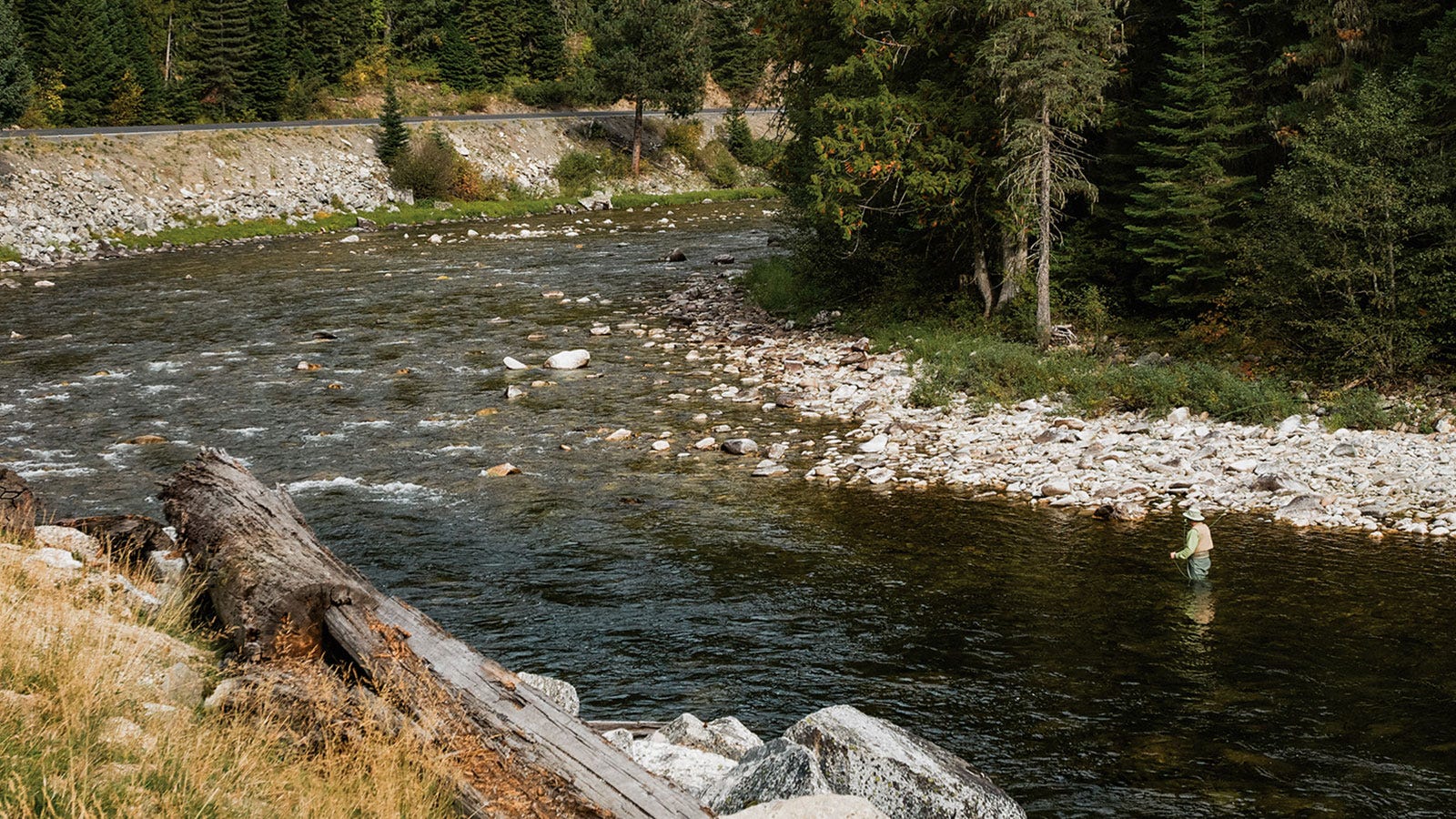
As we move through August, don’t stay home because the days are hot. Instead, keep some 50 SPF in your pocket, pack plenty of ice in the cooler, and take a nap in the middle of the day if you choose. But during those morning and evening hours, get on the water for some of the best fishing of the year. You’ll be especially rewarded if you stay out until it’s too dark to even thread a #18 caddis to your tippet. That’s when the good stuff happens.
The Late Summer Grocery List
Beetles: Japanese Beetle; Disco Beetle; High-Vis Beetle; Fathead Beetle
Ants: Epoxy Ant; Parasitic Wasp; Parachute Cinnamon Ant; Glitter Ant
Tricos: Chubby Trico Spinner; Trico Thorax Dun
PMDs: Thorax dun; Sparkle Dun; Comparadun; Quigley Cripple
Soft Hackles: Pheasant Tail; Hare’s Ear (both standard, not beaded)
October Caddis Pupae: Mopcicle (tan)
Caddis: X-Caddis; Hi-Vis Spent Caddis; Stimulator
Spruce Moth: Split Wing Spruce Moth; Elk Hair Caddis
Hoppers: Morrish Hopper; Dave’s Mimic Hopper
Sculpin: Near Nuff Sculpin (olive, black)
Crayfish: Yuk Duster (black and orange); Near Nuff Crayfish (orange, tan); Zirdle